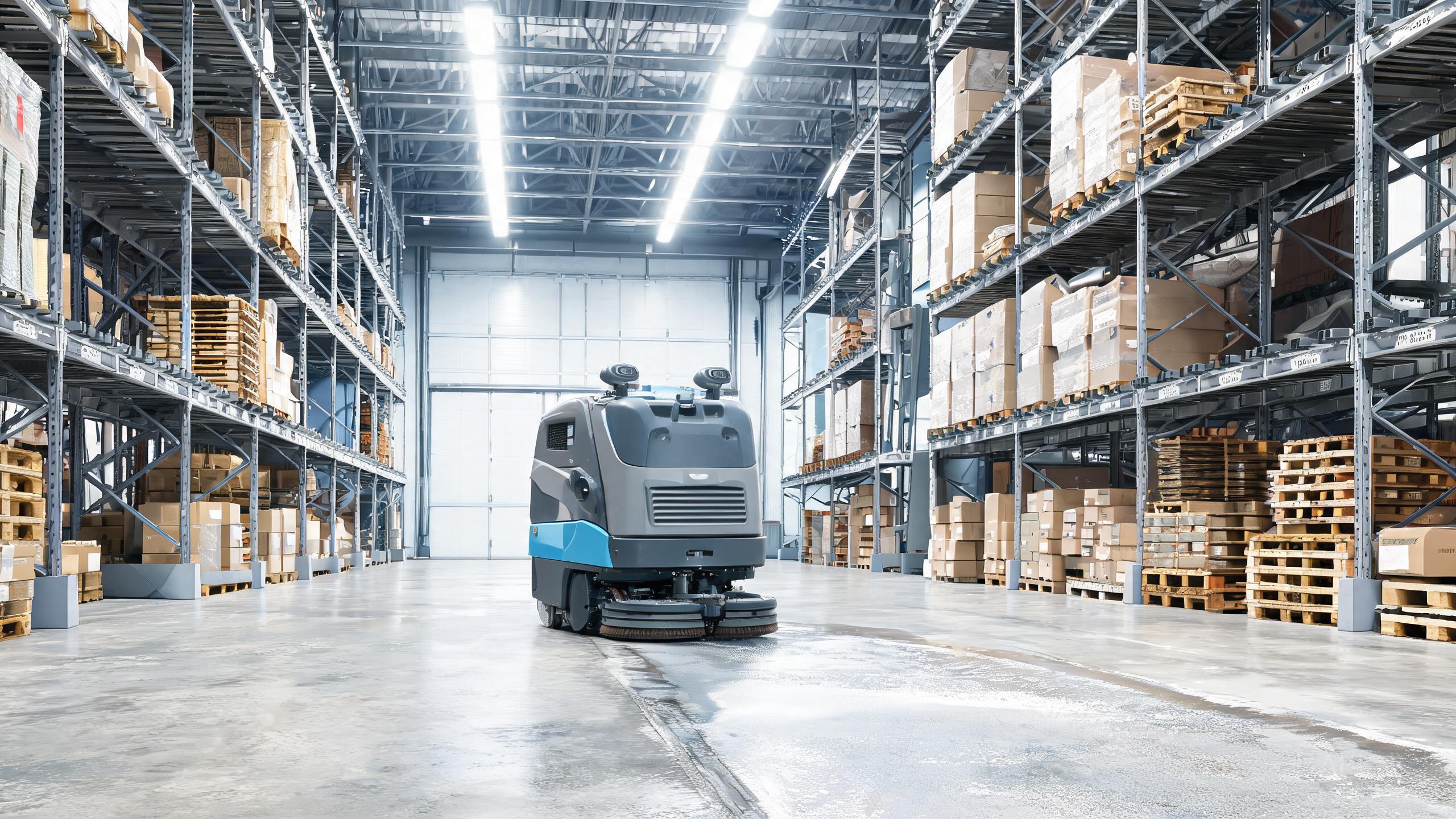
In the rapidly evolving world of robotic floor scrubber brands, two mid-size autonomous machines stand out in 2026: the Kärcher KIRA B 50 and the Nilfisk Liberty SC50. Both promise to transform commercial cleaning, but they take different paths. This commercial cleaning robot review pits them head-to-head across performance, features, value, and ideal use cases. We'll explore how each fares in the autonomous scrubber vs manual cleaning debate, and help you determine which delivers better warehouse cleaning robot ROI. Whether you're comparing SLAM floor scrubber cost or seeking the best autonomous floor scrubber 2026, our detailed analysis will guide your decision.
Performance and Cleaning Capabilities
The Kärcher KIRA B 50 employs a roller-brush scrub-and-sweep system, allowing it to tackle both dry debris and wet spills in one pass. Its mid-size footprint makes it agile in tight areas while still covering substantial ground. In contrast, the Nilfisk Liberty SC50 is a dedicated scrubber without sweeping capability. However, it compensates with CSA/ANSI 336 safety certification and CopyCat teach-and-repeat mapping. The SC50's route teaching lets operators record a path and have the robot repeat it precisely, which is ideal for structured environments. While the KIRA B 50 offers more versatile cleaning, the SC50 prioritizes safety and consistency. In the autonomous scrubber vs manual cleaning comparison, both reduce labor, but the KIRA B 50's combined scrub-sweep may reduce the need for pre-sweeping, potentially boosting productivity.
Features and Autonomy
Both machines are autonomous, but their navigation and mapping differ. The KIRA B 50 relies on Kärcher's autonomous technology (details not specified in our data), while the Liberty SC50 uses CopyCat mapping, which is a teach-and-repeat system rather than full SLAM. This means the SC50 requires an operator to initially drive the route, whereas SLAM-based robots can map and navigate dynamically. If you're comparing SLAM floor scrubber cost, note that the SC50's CopyCat may be more affordable but less flexible. The KIRA B 50's roller brush and sweeping add value for mixed debris. The SC50's standout feature is its CSA/ANSI 336 certification, a first for commercial floor scrubbers, ensuring safety compliance. The SC50 also offers transparent pricing, while Kärcher's KIRA B 50 is contact-only pricing, which can complicate budget planning. For facilities prioritizing safety certification, the SC50 is compelling; for those needing versatile cleaning, the KIRA B 50 shines.
Value and Total Cost of Ownership
When evaluating commercial cleaning robot review, value is critical. The Nilfisk Liberty SC50 has a transparent price tag, making it easier to calculate ROI. The Kärcher KIRA B 50 requires contacting for pricing, which can be a hurdle for budget-conscious buyers. However, the KIRA B 50's combined scrub and sweep may reduce the need for a separate sweeper, potentially lowering overall equipment costs. In terms of warehouse cleaning robot ROI, both machines can reduce labor costs, but the SC50's slower throughput (as noted in cons) might mean longer cleaning times, affecting productivity. The KIRA B 50's robust build quality suggests durability, which could lead to lower maintenance costs over time. The SC50's dated interface might require more training. For SLAM floor scrubber cost, the SC50 is not SLAM-based, so it may be less expensive than true SLAM robots, but also less adaptable. Ultimately, the KIRA B 50 may offer better long-term value for high-demand environments, while the SC50 appeals to those with strict safety compliance needs and budget transparency.
Who Each One Suits Best
The Kärcher KIRA B 50 is ideal for facilities that need dependable routine cleaning with both scrubbing and sweeping, such as warehouses, manufacturing plants, and large retail spaces. Its mid-size footprint and robust build make it a workhorse for daily floor care. It suits operations that value versatility and are less price-sensitive. The Nilfisk Liberty SC50, with its CSA/ANSI 336 certification and CopyCat mapping, is perfect for structured environments like hospitals, schools, and airports where safety compliance is paramount. Its teach-and-repeat system works well for fixed routes, and transparent pricing helps with budgeting. However, its dated interface and slower throughput may not suit high-traffic, dynamic spaces. In the context of robotic floor scrubber brands, Kärcher appeals to those seeking a premium, multifunctional solution, while Nilfisk targets safety-conscious, compliance-driven buyers. Consider your facility's priorities: if you need combined scrub-sweep and can handle contact pricing, KIRA B 50 is your pick; if certification and clear costs matter most, Liberty SC50 wins.
Our verdict
After a thorough head-to-head, the Kärcher KIRA B 50 emerges as the better overall autonomous floor scrubber for 2026, thanks to its versatile roller-brush scrub-and-sweep system, robust build, and mid-size agility. It delivers strong performance and long-term value, making it a top contender for the best autonomous floor scrubber 2026. However, the Nilfisk Liberty SC50 is a worthy alternative for safety-focused facilities, with its CSA/ANSI 336 certification and transparent pricing. If your top priority is compliance and predictable costs, the SC50 is the safer bet. Ultimately, choose the KIRA B 50 for cleaning versatility and the SC50 for certified safety.