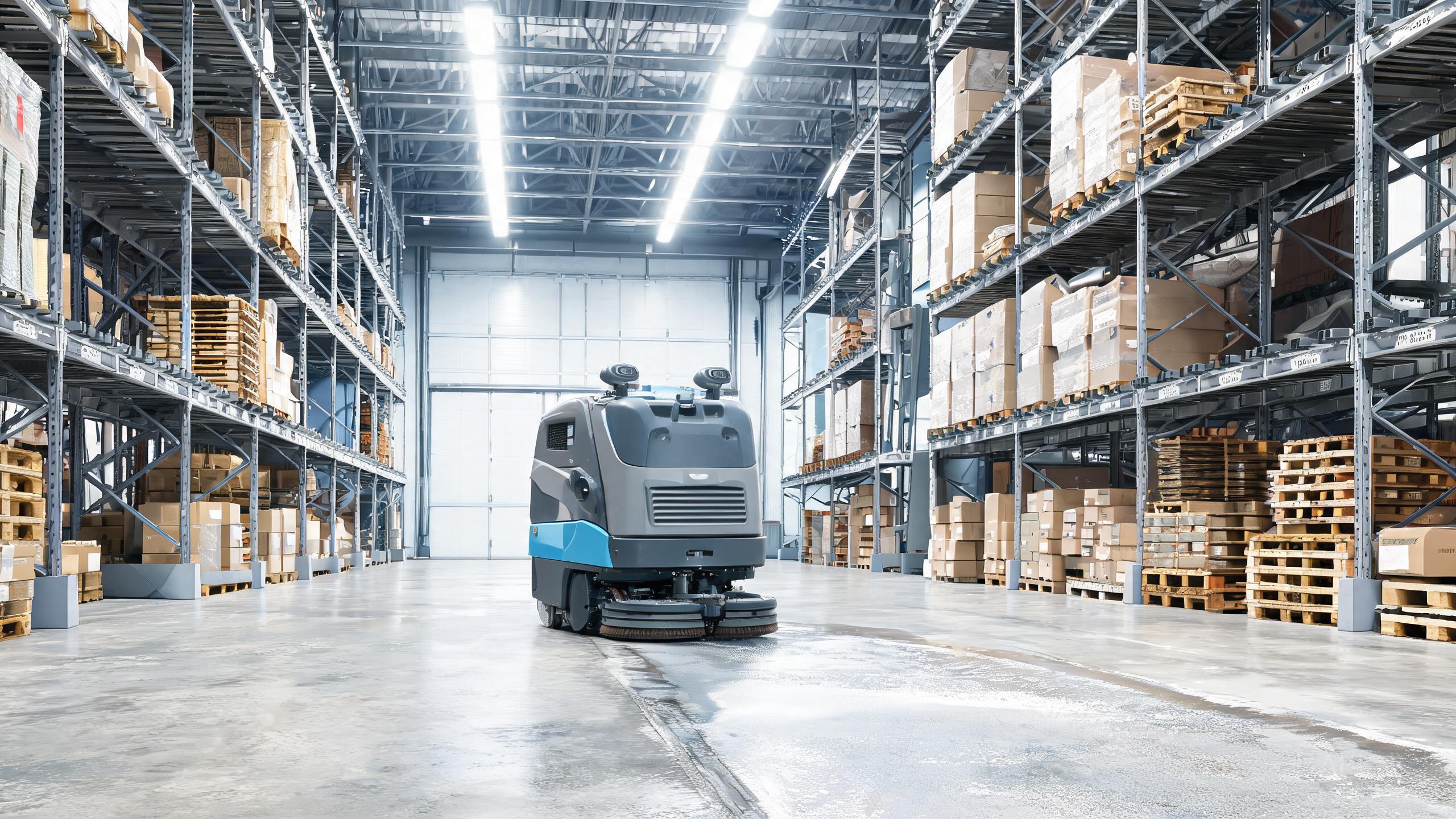
The Kärcher KIRA B 200 is often pitched as the best autonomous floor scrubber 2026 has to offer for large facilities. But beyond the spec sheet, what does it actually take to deploy one — and does the math work for your operation? This commercial cleaning robot review digs into the practicalities: fleet integration, real-world ROI, and the hidden costs that don't show up in a brochure. If you're comparing robotic floor scrubber brands, this is the honest breakdown you need before signing a contract.
Beyond the Spec Sheet: What Fleet Integration Really Means
The KIRA B 200's headline feature is its VDA 5050 interface, which allows it to coordinate with other autonomous equipment. But here's what the marketing doesn't tell you: VDA 5050 is a communication standard, not a plug-and-play solution. Integrating the KIRA B 200 into an existing fleet — whether it's other scrubbers or AGVs — requires your facility's IT and operations teams to align on traffic management, charging schedules, and zone access. If you're running a single unit, this capability is dormant. The real value emerges when you scale to multiple robots, but that also multiplies the integration complexity. For a warehouse cleaning robot ROI calculation, factor in the engineering hours needed to make fleet coordination actually work.
The True Cost of Ownership: SLAM Navigation and Maintenance
The KIRA B 200 uses autonomous routing, which implies SLAM-based navigation. While Kärcher doesn't publish a price, industry norms for SLAM floor scrubber cost put large-area autonomous units in the mid-five to low-six figures. But purchase price is only part of the story. You'll need to budget for: initial mapping and route programming, ongoing software updates, sensor calibration, and replacement parts like brushes and squeegees. Kärcher's service network is a genuine advantage here — but service contracts for commercial cleaning robots often run 10–15% of the unit's price annually. Compare that to autonomous scrubber vs manual cleaning: a manual scrubber operator costs roughly $35,000–$45,000 per year in wages and benefits. If the KIRA B 200 replaces even 1.5 full-time equivalents, the math can work — but only if your facility's layout is simple enough for reliable autonomous operation.
Where the KIRA B 200 Shines — and Where It Doesn't
This is a large-area machine. It's designed for sprawling warehouses, big-box retail, airports, and manufacturing floors. In those environments, its fully autonomous operation and large cleaning width can deliver a strong warehouse cleaning robot ROI by shifting labor from repetitive scrubbing to higher-value tasks. But for small or cluttered sites, it's overkill. Narrow aisles, frequent obstacles, and mixed flooring can degrade autonomous performance, forcing human intervention — which erodes the ROI case. If your facility is under 50,000 square feet or has highly dynamic environments, a smaller or manual solution may be more cost-effective. The KIRA B 200 is a flagship, but flagships aren't for everyone.
Is It Worth Buying? The Verdict for 2026
If you operate a large, relatively open facility and are ready to invest in fleet-level automation, the Kärcher KIRA B 200 is a compelling option. Its VDA 5050 interface future-proofs your investment, and Kärcher's service network reduces downtime risk. But if you're a smaller operation or not ready for the integration overhead, the total cost of ownership may outweigh the benefits. Before buying, run a pilot: measure how much time the robot actually saves versus manual cleaning, and calculate your specific payback period. The best autonomous floor scrubber 2026 for your facility depends less on the spec sheet and more on your operational reality.
Our verdict
The Kärcher KIRA B 200 is a powerful large-area autonomous scrubber with genuine fleet capabilities. But it's not a casual purchase. The VDA 5050 interface, autonomous routing, and Kärcher service network are real strengths — yet they come with integration costs and a price tag that requires a solid ROI case. For large warehouses and facilities with repetitive cleaning needs, it can be a smart investment. For everyone else, a simpler solution may deliver better value. Do the math for your own operation before committing.