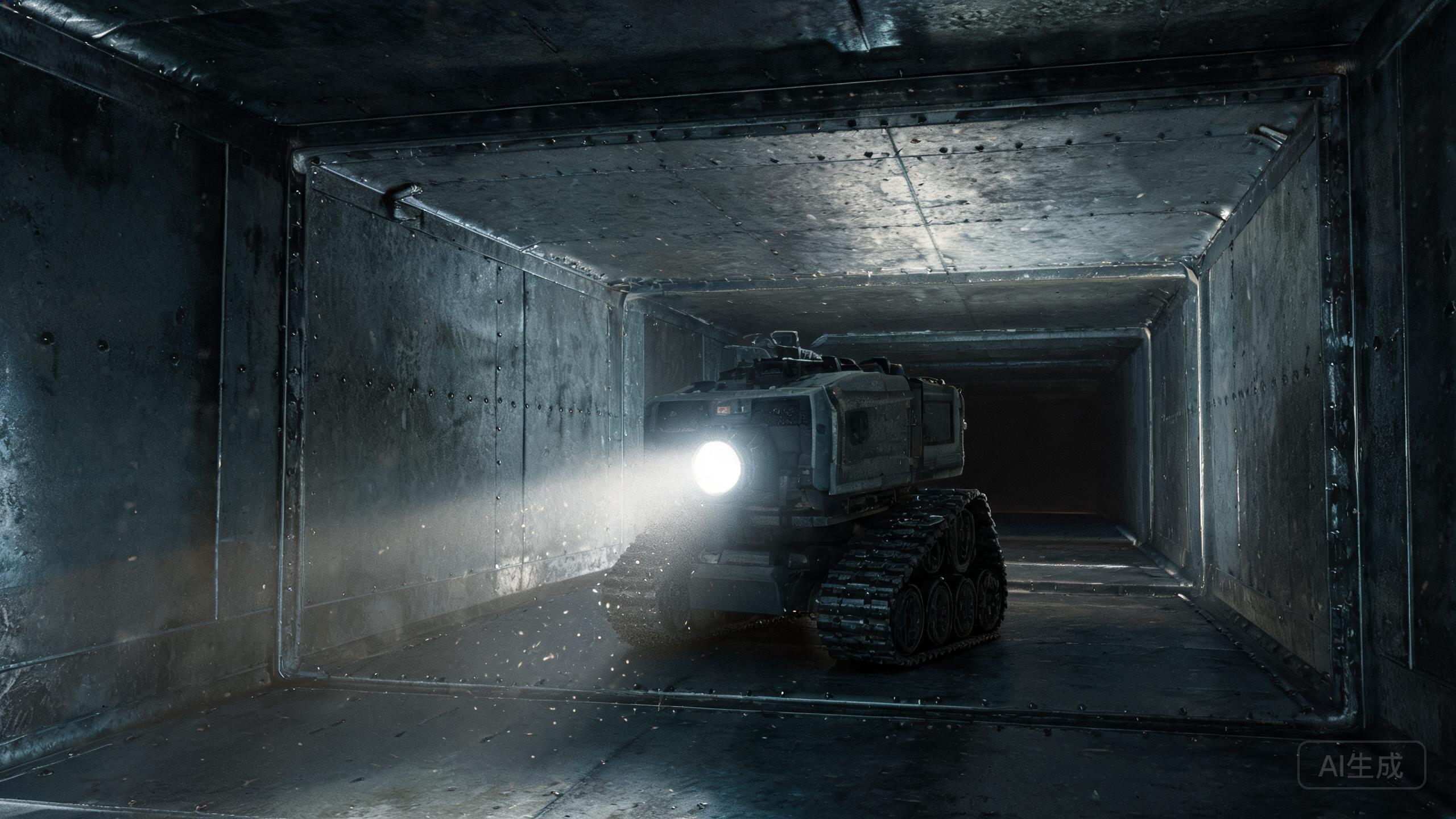
Choosing commercial duct cleaning equipment in 2026 means weighing reach against access. In this air duct cleaning robot review we put two modular European machines head-to-head: the Teinnova Multibot Lite, rated 8.8, and the Robotics Design ANATROLLER ARI-50, rated 8.0. Both are configurable crawler duct inspection robot platforms, but they solve very different problems. Here is how they compare on performance, features, value and fit.
Performance and Duct Coverage
The Multibot Lite adapts to duct diameters from 250 mm to 1,000 mm, so a single machine covers ventilation shafts through to industrial airways. That wide span is why it earns the higher rating and makes it a strong all-round pick for a commercial duct cleaning equipment fleet. The ANATROLLER ARI-50 takes a different route: it starts from 6×6-inch openings and is built to reach small, hard-to-reach ducts other machines simply cannot enter. In practice, the Teinnova wins on broad coverage while the ARI-50 wins on tight-access performance. If your work is mostly mid-to-large commercial ductwork, the Multibot Lite is the more capable crawler duct inspection robot; if you regularly face narrow runs, the ARI-50 is the one that gets in.
Features and Build
Both machines share a modular philosophy. The Multibot Lite uses a brush-based cleaning setup with a wide accessory range and European build quality, letting you reconfigure for different duct sizes. The trade-off is setup time per size change, as each reconfiguration takes effort. The ARI-50 is a durable veteran crawler design dating to 2020, with a modular platform that supports custom configurations — though those custom setups cost extra. Neither is a toy: these are serious commercial duct cleaning equipment platforms. The Teinnova feels more current and better supported by accessories; the ARI-50 feels proven but older. For teams that value flexibility and long-term parts support, the Multibot Lite has the edge.
Value and Duct Cleaning Robot Cost
Value here depends on the jobs you take. The Multibot Lite's range pricing reflects its 250–1,000 mm coverage and European build — you pay for breadth and quality. The ARI-50's base platform is a proven, cost-conscious entry into small-duct work, but custom configurations add to the duct cleaning robot cost, so a fully specced unit narrows the gap. For buyers who need one machine to handle the majority of commercial contracts, the Teinnova's wider coverage spreads cost across more jobs and delivers better long-term value. For specialists who only need small-duct access, the ARI-50 avoids paying for range you will not use. Remember that how duct cleaning improves air quality is the outcome clients pay for — both robots deliver cleaner airways, so match the machine to your typical duct sizes rather than overbuying.
Who Each One Suits Best
Choose the Teinnova Multibot Lite if you run a general commercial duct cleaning operation covering ventilation shafts and industrial airways, want one modular machine across 250–1,000 mm ducts, and value European build quality and a wide accessory range. Choose the Robotics Design ANATROLLER ARI-50 if your work centers on small, hard-to-reach ducts from 6×6-inch openings, you need a compact modular crawler, and you are comfortable with an older 2020 platform and the extra cost of custom configurations. In short: broad coverage versus tight access.
Our verdict
Verdict: the Teinnova Multibot Lite is the better all-round HVAC duct cleaning robot 2026 pick, earning its 8.8 rating through 250–1,000 mm coverage, modular flexibility and European build quality — ideal for most commercial duct cleaning equipment buyers. The ANATROLLER ARI-50 (8.0) remains the specialist's choice when 6×6-inch small-duct access matters more than range. If you need one machine for the widest range of jobs, choose the Multibot Lite; if tight-access ducts define your work, choose the ARI-50.