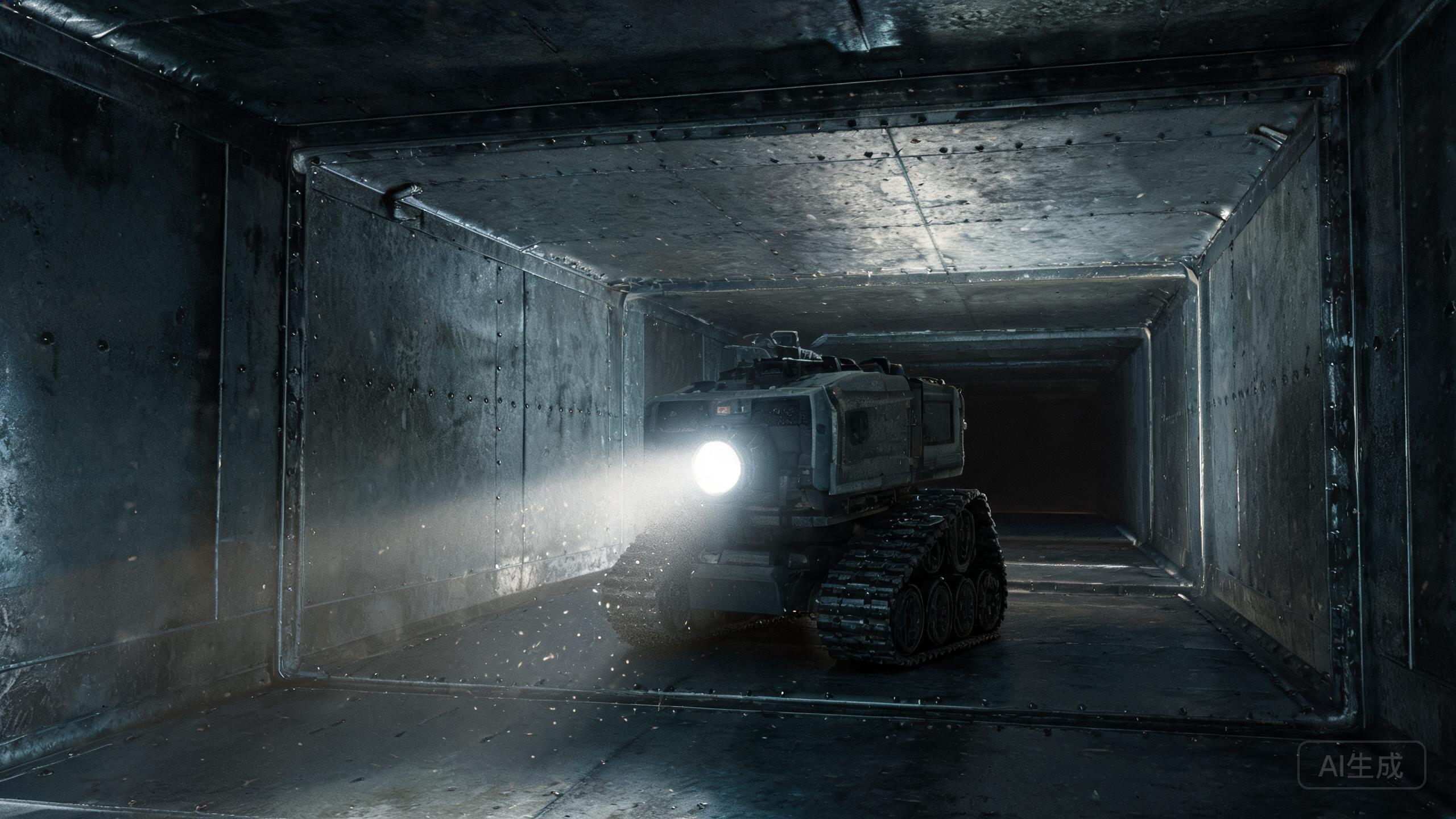
Duct cleaning robots are marketed as total solutions, but do they really remove every contaminant? In this air duct cleaning robot review we look at the actual capabilities of crawler and brush-based systems, from the Ashtrix Robotics Cobra to the Rotobrush BrushBeast DR, and explain where robots succeed, where they fall short, and how duct cleaning improves air quality when the right equipment is paired with the right method.
What a Duct Robot Can Actually Remove
A modern HVAC duct cleaning robot 2026 is built around mechanical agitation and contact. The Ashtrix Robotics Cobra, rated 9.2, combines high-traction crawler movement with vision, letting operators drive brushes and air tools to loose dust, debris, and light buildup on duct floors and walls. The Teinnova Multibot Lite (8.8) and Lifa Air Duct Cleaner Robot (8.6) add remote electric-brush cleaning, while the Lifa Air Hydmaster 40 (8.4) and Rotobrush BrushBeast DR (8.2) use multi-brush and direct-drive designs for heavier deposits. These tools are effective against settled particulate, lint, and surface grime. What they cannot do is sanitize or dissolve contaminants: adhesive grease films, microbial growth bonded to porous insulation, and deeply embedded residue usually require chemical treatment, negative-pressure containment, and manual access.
Crawler Inspection Robots and the Limits of Reach
A crawler duct inspection robot is as much a diagnostic tool as a cleaner. Modular platforms such as the Robotics Design ANATROLLER ARI-50 (8.0), which works from 6×6 inches, and the KT-836 (7.5) with video recording, let technicians see contamination before and after cleaning. That visibility matters because reach is the real constraint: robots handle straight runs and gentle transitions well, but tight 90-degree elbows, small-diameter branches, and flexible duct sections can block travel. The PCS-350III (7.8) and RJ-BOT Q38 (7.2) target central-AC and remote inspection work, while the YorkTech YK-3600R (6.8) offers high-power WiFi control. None of these units removes every contaminant on its own, which is why commercial duct cleaning equipment is deployed as a system: robots agitate, vacuums capture, and cameras verify.
Cost, Method, and Air Quality Outcomes
Duct cleaning robot cost varies widely by configuration, and buyers should weigh price against method rather than headline specs. Brush-and-crawler systems are the workhorses, but how duct cleaning improves air quality depends on containment: without negative pressure and HEPA filtration, agitation can redistribute fine particulate. Pair a robot with proper vacuum capture and the result is measurable removal of dust, allergens, and debris from the airstream. Commercial duct cleaning equipment packages that combine a crawler, brush head, and vacuum therefore outperform standalone units. Our 2026 ranking favors the Cobra and Multibot Lite for balance of traction, vision, and cleaning contact, while budget-focused buyers should confirm that any lower-cost unit still supports camera verification and adequate vacuum pairing.
Our verdict
Duct robots do not remove all contaminants, but no single tool does. A crawler duct inspection robot excels at reaching, agitating, and verifying, while vacuum containment and targeted chemical or manual work handle what robots cannot. Choose equipment by method and containment, not by claims, and the air quality payoff is real.