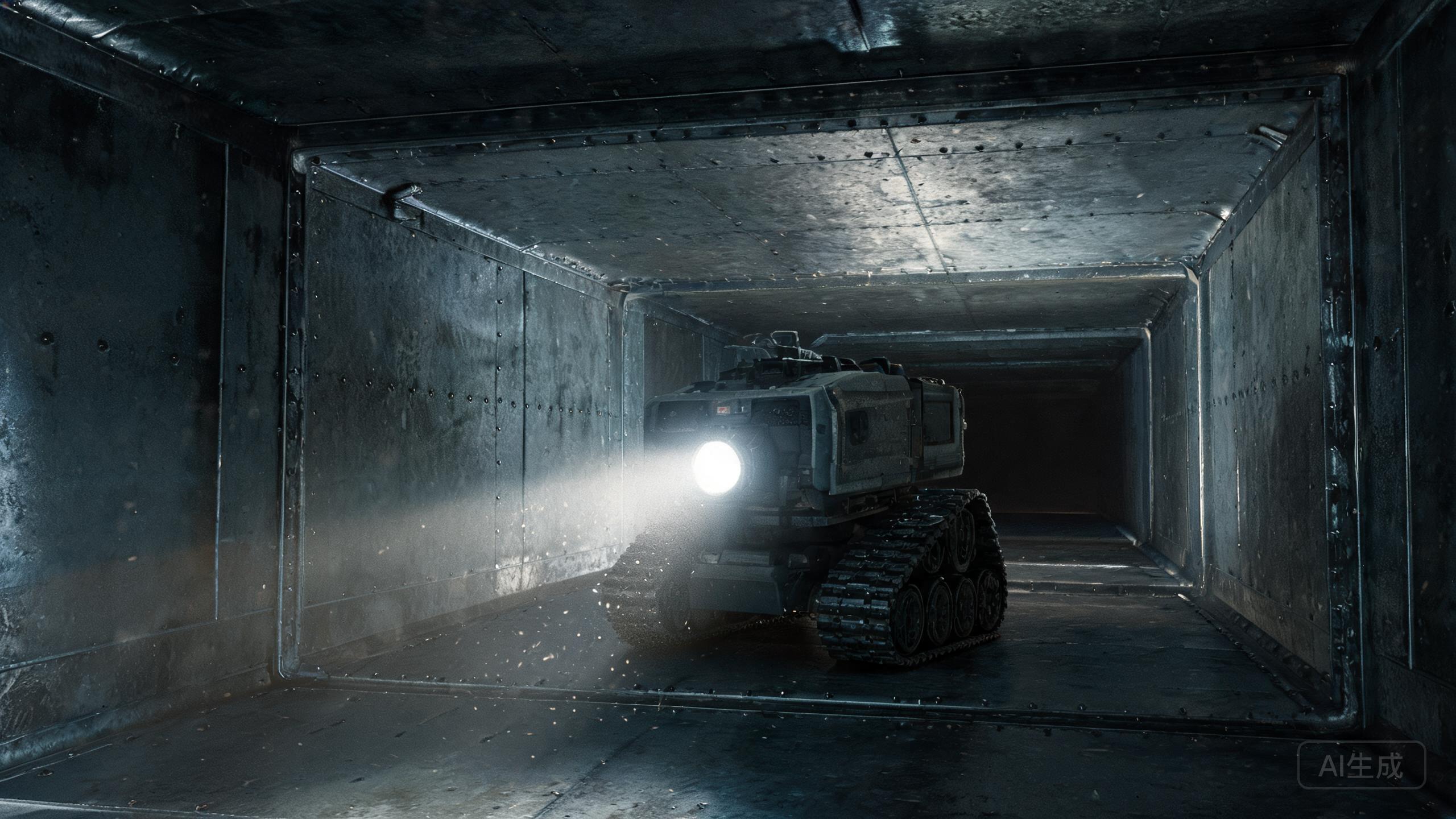
Choosing the right crawler duct inspection robot can make or break your HVAC service business. In this 2026 head-to-head, we pit the Teinnova Multibot Lite (8.8/10) against the RJ-BOT Q38 (7.2/10). Both promise efficient duct cleaning, but they target very different operators. We compare performance, features, value, and who each one suits best—so you can pick the commercial duct cleaning equipment that fits your workflow and budget.
Performance and Duct Range
The Teinnova Multibot Lite is a modular European machine built to adapt. It handles duct diameters from 250 mm to 1,000 mm, covering everything from ventilation shafts to industrial airways. Its brush-based cleaning system and modular design let you reconfigure for different jobs—though each size change adds setup time. The RJ-BOT Q38 is a remote-controlled robot for cleaning and inspecting residential or light AC ducts. It favors simplicity and low overhead over heavy-duty performance. If your jobs are mostly light-duty AC ducts, the Q38 keeps things easy. But for varied duct sizes and tougher buildup, the Multibot Lite's wider range and brush cleaning win. Both are crawler duct inspection robots, but only the Teinnova is built for industrial scale.
Features and Ease of Use
The Multibot Lite stands out with its modular design, European build quality, and a wide accessory range. It's configurable, which is exactly why it earns the higher rating. The trade-off is range pricing and setup time per size change. The Q38 counters with remote control, a clean-plus-inspect function in one unit, a lightweight body, and it's a newer model (2026). Its cons are light-duty-only performance and a limited track record. In short, the Teinnova is a professional workhorse; the RJ-BOT is a nimble newcomer. If you value versatility and proven build, Teinnova leads. If you want a fresh, simple remote unit for light jobs, Q38 is appealing.
Value and Duct Cleaning Robot Cost
Duct cleaning robot cost varies with capability. The Multibot Lite's range pricing means you pay for modularity and a 250–1,000 mm duct range—justified if you serve diverse commercial clients. The Q38 targets newer and budget-conscious service providers, so it likely carries a lower entry cost, but it's light-duty only. Neither price is stated, so weigh total cost of ownership: the Teinnova's accessory range and European build may reduce long-term replacement costs, while the Q38's simplicity lowers upfront overhead. For commercial duct cleaning equipment, the Multibot Lite offers more scalability; the Q38 is a starter tool. If budget is tight and jobs are light, Q38 wins on value. If you need one machine for many duct sizes, Teinnova's value shines.
Who Each One Suits Best
The Teinnova Multibot Lite suits established HVAC contractors, industrial cleaning firms, and anyone tackling ventilation shafts to industrial airways. Its modular design and 250–1,000 mm range make it ideal for varied commercial duct cleaning equipment needs. The RJ-BOT Q38 suits new or budget-conscious service providers focused on residential or light AC ducts. It's remote-controlled, lightweight, and combines cleaning and inspection—great for simple jobs. Remember, how duct cleaning improves air quality depends on thorough removal of contaminants, which both robots support, but the Teinnova's brush system and wider range may deliver more consistent results on larger ducts. Choose based on your typical duct sizes and workload.
Our verdict
Verdict: For professionals who need one machine to handle diverse duct sizes—from 250 mm to 1,000 mm—and demand European build quality, the Teinnova Multibot Lite is the clear winner. Its modular design, wide accessory range, and brush cleaning justify the higher rating and likely higher cost. Choose the RJ-BOT Q38 only if your work is strictly light-duty residential AC ducts and you want a simple, remote-controlled, budget-friendly unit. In our 2026 ranking, the Multibot Lite takes the top spot for serious commercial duct cleaning equipment.