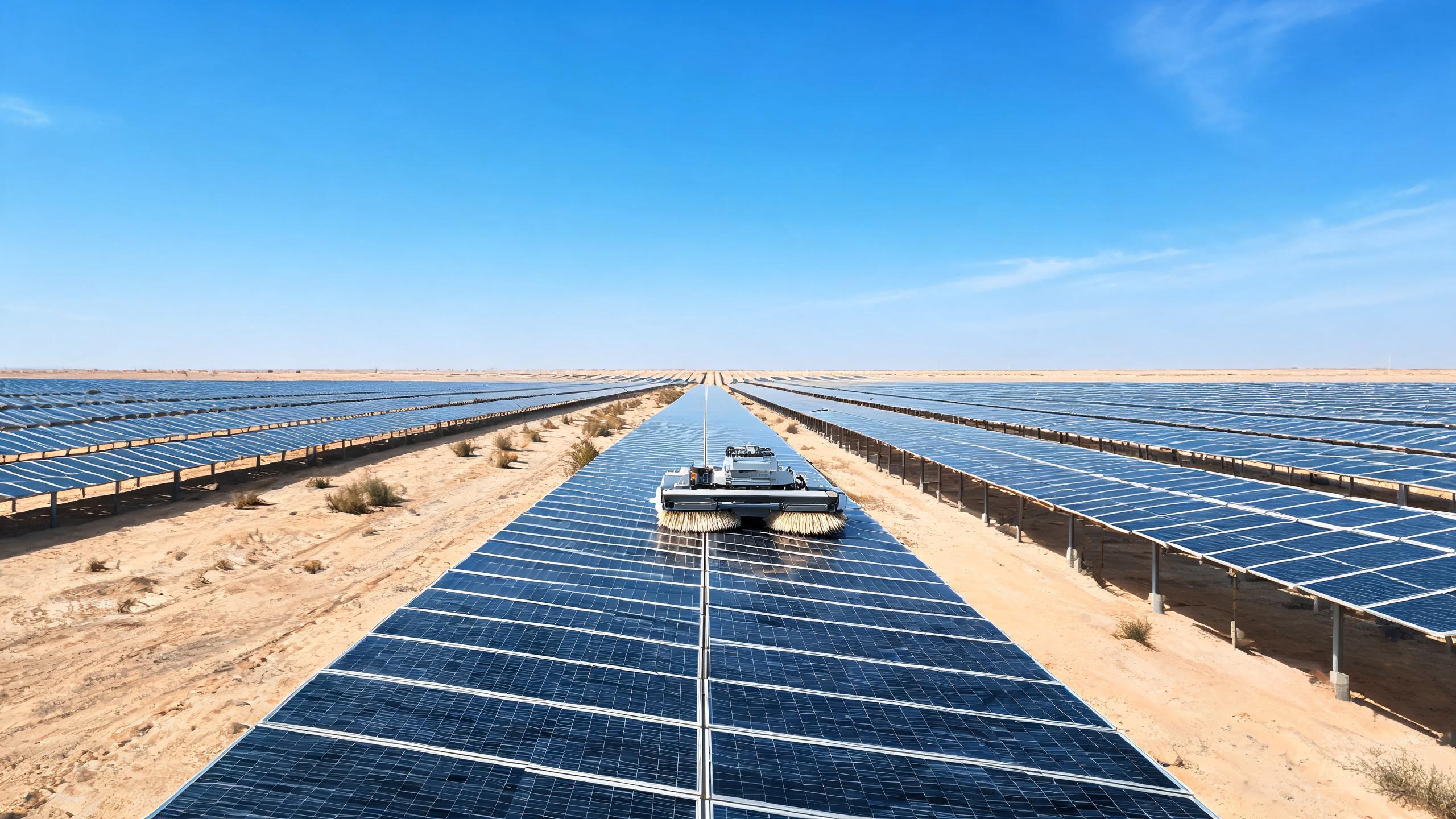
The SDZ NCE Fugo X1 has already been covered on TopCleanRobots as a setup guide, a waterless strategy piece, and a full review. This article takes a different angle: a decision-focused pros and cons breakdown for buyers weighing whether a waterless solar panel cleaner belongs on their roof. If you are comparing the best solar panel cleaning robot 2026 options, the Fugo X1's 7-hour runtime and autonomous rooftop design are its headline strengths, but the trade-offs matter just as much. Below we look at where it wins, where it falls short, and who should actually buy it.
Where the Fugo X1 Earns Its Place on the Roof
The core pitch is simple: set it on the array, let it work. With autonomous operation and up to 7 hours of runtime, the Fugo X1 can cover large arrays between charges, which matters for commercial rooftops where scaffolding or ladder time is expensive. Because it is built around a dry cleaning approach, it also sidesteps the logistics of hauling water to a roof — no tanks, no hoses, no runoff concerns. For installers who want low daily attention, that combination is genuinely appealing. The question of does solar panel cleaning improve output is well established in the industry, and a robot that runs unattended for most of a workday makes that output gain easier to capture consistently rather than sporadically.
Dry vs Wet Solar Panel Cleaning: What You Give Up
This is the trade-off buyers need to weigh carefully. A waterless solar panel cleaner is excellent for routine dust, pollen, and light soiling — the everyday buildup that quietly drags down yield. But the Fugo X1's dry focus limits heavy grime. Bird droppings, caked-on mud, agricultural overspray, and sticky residues often need moisture or a surfactant to fully break down. If your site sees those conditions regularly, a dry-only robot may leave a film behind, and you may still need periodic manual wet cleaning. That does not make the Fugo X1 a bad machine; it makes it a specialist. Matching the cleaning method to your actual soiling profile is more important than chasing the lowest solar panel cleaning robot cost.
Cost, Pricing Transparency, and Scale Fit
SDZ NCE does not publish pricing for the Fugo X1 — it is contact-only, which is common for this class of equipment but frustrating if you are early in your research. The real solar panel cleaning robot cost depends on array size, roof layout, and how many units you need to cover the site. The Fugo X1 is aimed at rooftop arrays, not open-ground plants, so it is not a utility scale PV cleaning robot in the traditional sense. That said, large commercial rooftops can behave like utility-scale jobs in terms of area, and the 7-hour runtime helps here. If your site is ground-mounted and sprawling, you should look at dedicated utility-scale options instead.
Who Should Buy It — and Who Should Not
Buy the Fugo X1 if you manage residential or commercial rooftops, want autonomous set-and-forget cleaning, value long runtime over peak scrubbing power, and deal mainly with dust and light soiling. It fits installers and O&M teams who want to reduce manual roof visits and keep arrays consistently cleaner between deeper cleans. Skip it if your arrays are ground-mounted at utility scale, if heavy sticky soiling is routine, or if you need published pricing before you can shortlist. In the best solar panel cleaning robot 2026 conversation, the Fugo X1 is a strong niche pick rather than a universal answer — which is exactly why an honest pros and cons view matters more than a spec sheet.
Our verdict
The SDZ NCE Fugo X1 is a well-targeted autonomous rooftop cleaner with a genuine 7-hour runtime and a clean waterless workflow. Its limits — contact-only pricing and a dry-focused cleaning method — are real but predictable. Match it to dusty rooftops and light-to-moderate soiling, and it earns its keep. Force it into heavy-grime or utility-scale ground-mount duty, and you will be disappointed. Buy for the fit, not the hype.