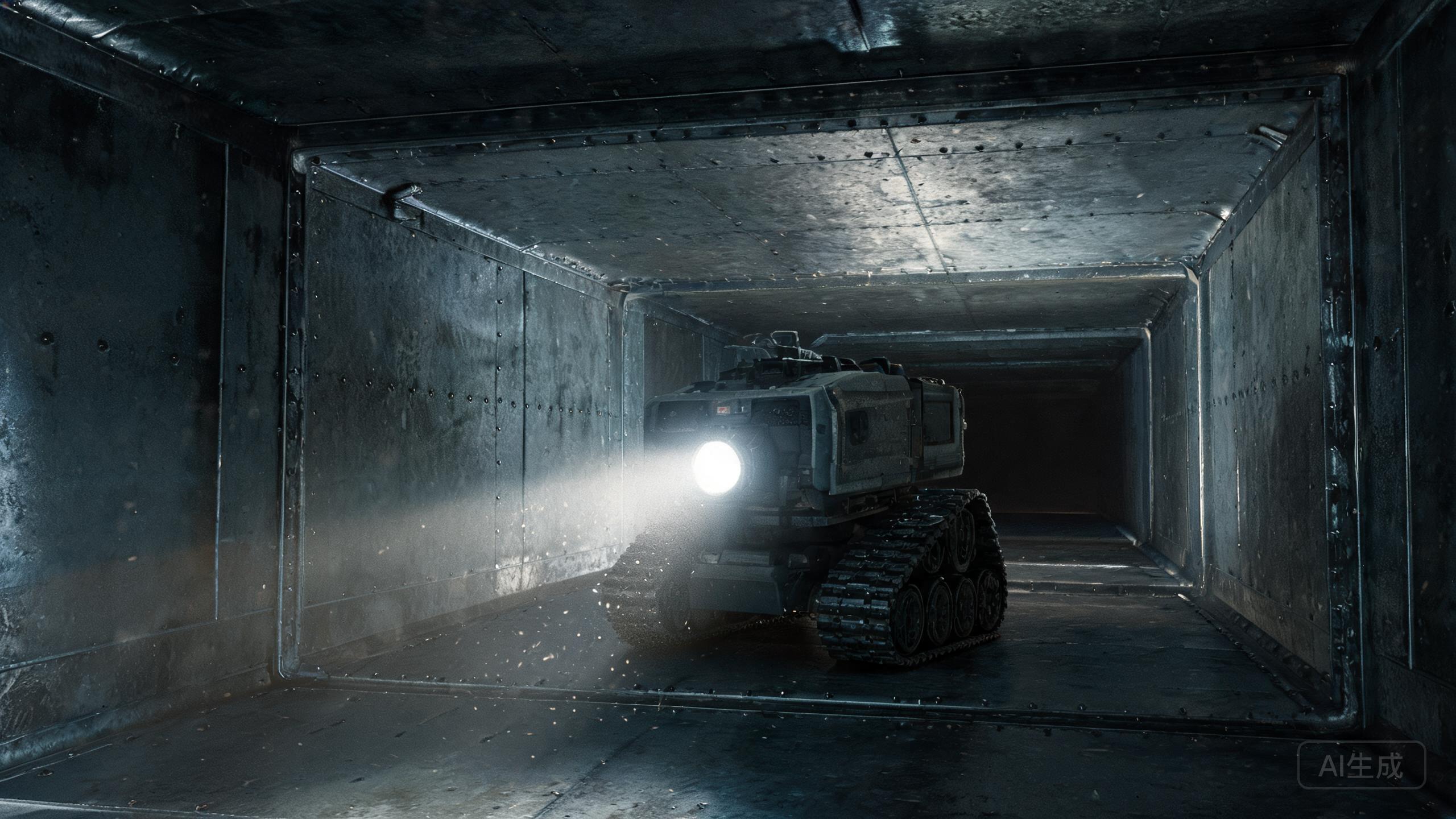
Most air duct cleaning robot review articles focus on brushes and specs. This guide takes a different angle: what happens after you buy. For a commercial duct cleaning equipment purchase, warranty terms, technical support and after-sales service often matter more than the hardware itself. Here is how the Lifa Air Duct Cleaner Robot fits into a service business in 2026, and what to check before you commit.
Why After-Sales Service Matters for a Commercial Duct Cleaning Robot
A HVAC duct cleaning robot 2026 is not a one-off tool; it is a revenue-generating asset for ventilation service teams. Every day it sits idle waiting for a spare part is a day of lost contracts. That is why the Lifa Air Duct Cleaner Robot's service-friendly build matters. Its remote electric brush and electric power system are designed around commercial ducts, so routine maintenance and brush replacement can be planned into your existing workflow rather than forcing a full teardown. When you evaluate duct cleaning robot cost, add the expected cost of consumables and downtime, not just the sticker price.
Warranty Basics: What Commercial Buyers Should Confirm
Warranty coverage varies by region and reseller, so always confirm the exact terms in writing before purchase. For a crawler duct inspection robot used daily on job sites, ask three questions: how long is the warranty period, which components are covered (drive system, brush motor, control unit), and whether brush heads are treated as wear items excluded from coverage. Lifa Air lists brush heads as a wear component, so budget for periodic replacement. Also clarify whether warranty service is handled by the local distributor or shipped back to the manufacturer, since turnaround time directly affects your project schedule.
Technical Support and Operator Training
Remote-controlled equipment lives or dies by operator confidence. Before rollout, ask your supplier for hands-on training on the remote control unit and brush handling, plus a written quick-start procedure your crews can follow on site. Good after-sales support also includes access to replacement brush heads, cables and control components with predictable lead times. Because the Lifa Air unit targets commercial ducts, it is worth asking whether the reseller offers on-site commissioning for larger ventilation contracts. This is where a strong service partner separates a smooth deployment from months of trial and error.
Cost of Ownership: Beyond the Purchase Price
When comparing duct cleaning robot cost across brands, look at the full picture: purchase price, brush head replacement frequency, spare-part availability and service response time. A machine in the upper price band like the Lifa Air Duct Cleaner Robot can still be cost-effective if it stays on the job and keeps winning contracts. Remember the payoff: how duct cleaning improves air quality for building occupants, which is the outcome your clients actually pay for. Reliable after-sales service protects that outcome and your reputation.
Checklist Before You Buy
Before signing, confirm in writing: warranty length and covered components; whether brush heads are excluded as wear items; spare-part lead times; training included; local service point or return-to-factory process; and response-time commitments for breakdowns. Treat these answers as part of the product, not fine print. For teams running commercial duct cleaning equipment daily, a clear service agreement is often worth more than a small discount on the unit itself.
Our verdict
The Lifa Air Duct Cleaner Robot earns its place in commercial ventilation workflows with remote electric brushing and a service-friendly build. But the smartest buyers in 2026 judge it on the whole package: warranty clarity, responsive support, spare-part supply and realistic cost of ownership. Nail those down before purchase, and the robot becomes a dependable long-term asset rather than an expensive experiment.