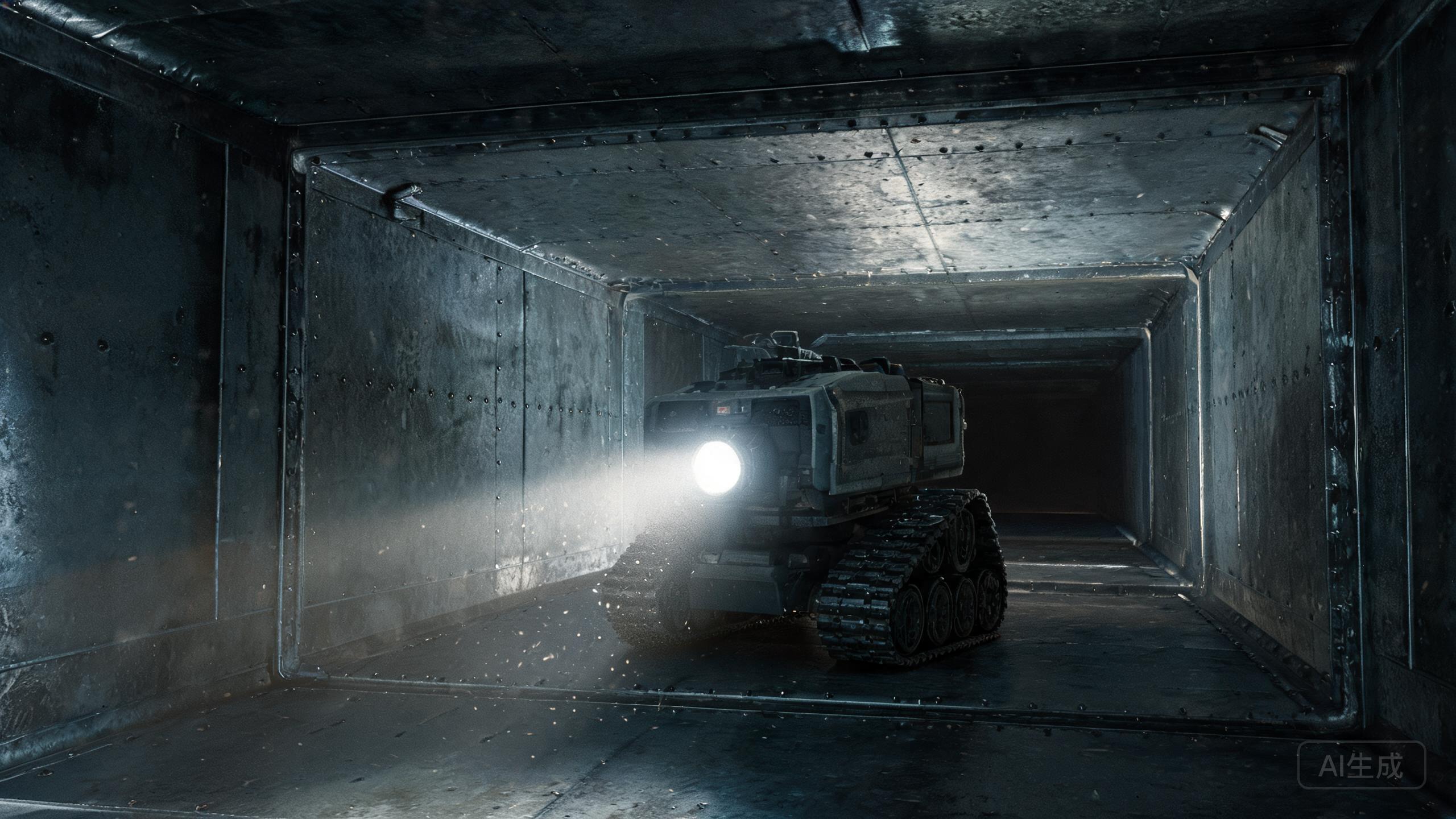
When commercial HVAC systems accumulate dust, debris, and microbial growth, indoor air quality suffers and energy efficiency drops. The Lifa Air Duct Cleaner Robot, rated 8.6/10, offers a remote-controlled electric brush solution designed for commercial duct maintenance. This guide focuses on practical buying considerations for 2026, helping facility managers and HVAC contractors decide if this crawler duct inspection robot fits their needs—without repeating our full review.
Why Commercial Duct Cleaning Matters in 2026
Commercial buildings often have extensive duct networks that are difficult to access manually. Over time, dust, pollen, and even mold can accumulate, reducing air quality and straining HVAC systems. Regular cleaning with an HVAC duct cleaning robot 2026 like the Lifa Air model helps maintain healthier indoor environments. Studies show that how duct cleaning improves air quality is direct: removing contaminants reduces respiratory irritants and odors. For businesses, this translates to better occupant comfort and compliance with hygiene standards. The Lifa Air robot targets commercial ducts specifically, making it a relevant tool for offices, retail spaces, and industrial facilities.
Key Features and Operational Benefits
The Lifa Air Duct Cleaner Robot stands out with its remote electric brush, which allows operators to scrub duct interiors without entering confined spaces. This is a significant safety and efficiency advantage. The robot’s reliable operation ensures consistent cleaning results, while its service-friendly build simplifies maintenance between jobs. For contractors who already use crawler duct inspection robot technology, this unit integrates seamlessly into existing workflows. Unlike basic manual brushes, the remote control enables precise positioning and thorough coverage of duct surfaces. This makes it a strong candidate in any air duct cleaning robot review for commercial applications.
Cost Considerations and Budget Planning
One of the primary concerns for buyers is duct cleaning robot cost. The Lifa Air model sits in the upper price band, reflecting its commercial-grade design and remote capabilities. While the initial investment is higher than entry-level units, the efficiency gains and reduced labor costs can justify the expense over time. However, budget for replacement brush heads, as they wear with use—a common consumable for any commercial duct cleaning equipment. When comparing options, factor in the total cost of ownership, including training and spare parts. For businesses that prioritize safety and thoroughness, this premium can be worthwhile.
Integration with Existing HVAC Service Workflows
The Lifa Air robot is built to complement professional service routines. Its remote operation reduces the need for multiple technicians, and its compact design allows access to standard commercial duct openings. For companies that already perform inspections with crawler duct inspection robot units, adding this cleaning-capable robot expands service offerings without major workflow disruption. The electric brush is effective on various duct materials, and the robot’s reliability minimizes downtime. In an era where commercial duct cleaning equipment must meet strict performance standards, this model delivers consistent results that clients appreciate.
Our verdict
The Lifa Air Duct Cleaner Robot is a practical investment for commercial HVAC maintenance, especially for teams that value remote operation and safety. While its price may be higher, the benefits of improved air quality and efficient cleaning make it a top contender in the HVAC duct cleaning robot 2026 market. Assess your duct network size, cleaning frequency, and budget to determine if this robot aligns with your operational goals.