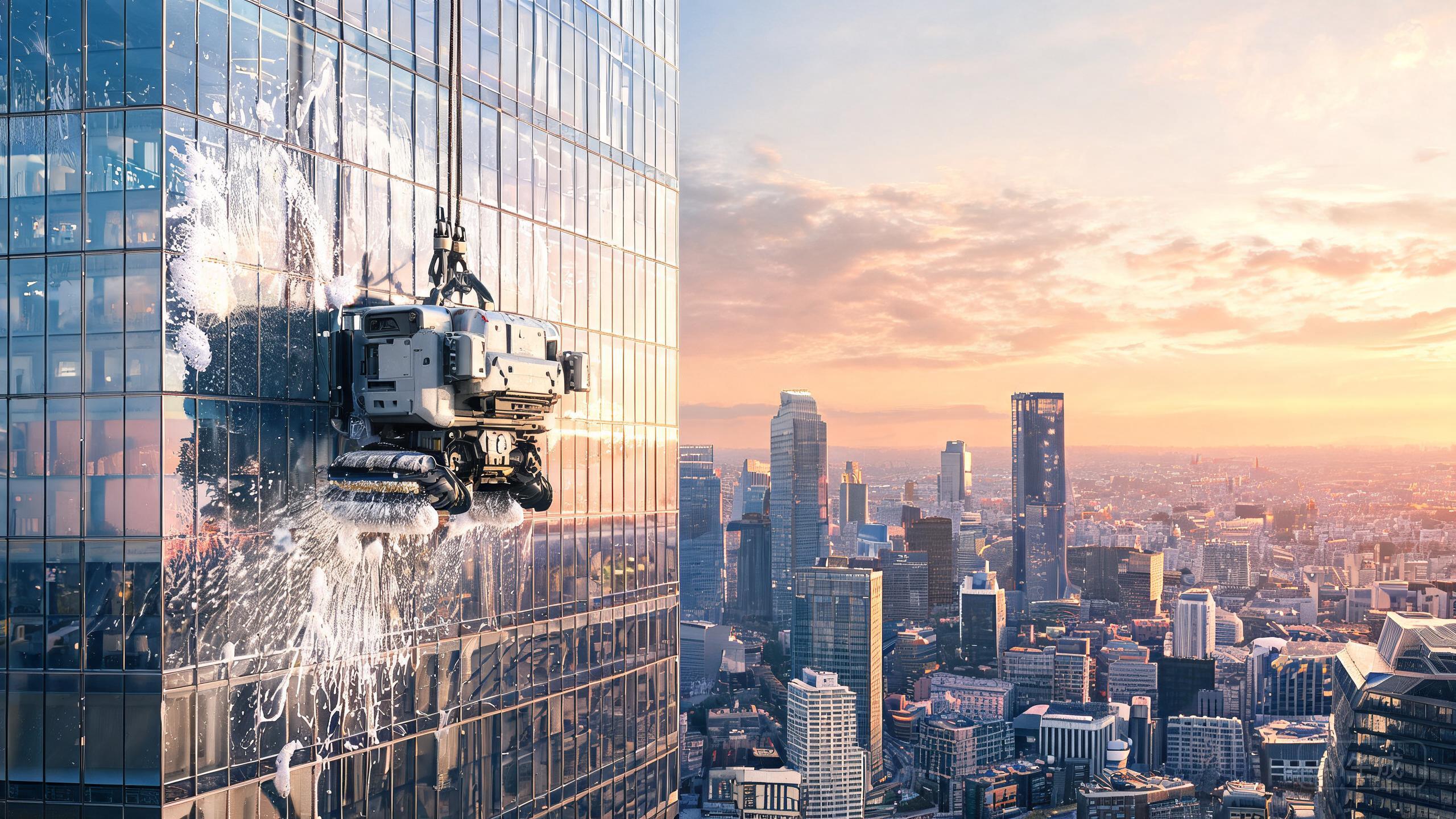
Welcome to TopCleanRobots' head-to-head comparison of two notable facade cleaning robots in 2026. In one corner, Kite Robotics Kite: a commercial climbing robot rated 8.5, reaching 200 m on glass and complex facades. In the other, Fraunhofer IFF SIRIUS: a rail-free research system rated 7.5, pushing the boundaries of wall-climbing science. As high rise facade cleaning automation gains momentum, we break down performance, features, value, and ideal use cases—including how robotic facade cleaning vs rope access stacks up. Whether you manage a landmark tower or simply follow Ozmo window cleaning robot trends, this review will help you choose wisely.
Performance: Height, Surfaces, and Speed
Kite Robotics Kite is built for real-world cleaning at scale. It climbs up to 200 m, handling not just flat glass but complex facade geometries—think curves, fins, and intricate mullions. That makes it a strong fit for landmark buildings where conventional rigs struggle. However, on simple flat glass, Kite is slower than some dedicated flat-surface robots. Fraunhofer IFF SIRIUS, by contrast, is a research system focused on rail-free wall-climbing. It demonstrates free movement without fixed guides, but it is not optimized for commercial duty cycles. In a building facade cleaning robot review, Kite wins on practical throughput and reach, while SIRIUS excels as a proof-of-concept for high rise facade cleaning automation.
Features and Specifications: What Sets Them Apart
Kite's key specs: 200 m max height, glass + complex facades target, climbing locomotion, focus on landmark/complex towers. It comes with project-specific setup, meaning each deployment is tailored—great for unique buildings but less plug-and-play. SIRIUS specs: no guides required, research system type, developed by Fraunhofer IFF, wall-climbing locomotion. Its rail-free design is a leap for robotic facade cleaning vs rope access, but it lacks commercial polish. Neither robot is a toy: Kite is a commercial tool; SIRIUS is a demonstrator. If you need a glass facade cleaning robot cost estimate, Kite's project-specific pricing will vary, while SIRIUS is not for sale.
Value and Suitability: Who Should Choose Which?
Kite Robotics Kite (8.5/10) suits facility managers, facade cleaning companies, and owners of landmark towers who need reliable high-reach cleaning on glass and complex geometries. Its project-specific setup means higher initial planning but strong ROI on buildings where rope access is dangerous or slow. Fraunhofer IFF SIRIUS (7.5/10) is best for researchers, robotics labs, and innovation teams studying rail-free climbing. It is not a commercial product, so it won't clean your building tomorrow, but it informs the next wave of high rise facade cleaning automation. In terms of glass facade cleaning robot cost, Kite requires a quote; SIRIUS costs nothing because it's not for sale. For most commercial needs, Kite is the practical choice.
Robotic Facade Cleaning vs Rope Access: The Bigger Picture
Both robots represent steps toward replacing dangerous rope access. Kite already does this commercially at up to 200 m, reducing risk and improving consistency on complex facades. SIRIUS explores rail-free movement, which could someday eliminate guide installation—a major cost and logistical hurdle. As we look ahead to facade cleaning robot 2026 trends, the industry is clearly moving toward automation. Ozmo window cleaning robot and similar consumer devices have popularized the idea, but facade-scale robots like Kite and SIRIUS operate in a different league. For now, Kite offers a deployable solution; SIRIUS offers a glimpse of the future.
Our verdict
If you need a commercial facade cleaning robot today, Kite Robotics Kite is the clear winner. It reaches 200 m, handles complex facades, and is rated 8.5 for good reason. Fraunhofer IFF SIRIUS, while innovative with its rail-free research platform, is not a commercial product and rated 7.5. For practical high rise facade cleaning automation, choose Kite. For research and future-gazing, SIRIUS is fascinating but not yet a buying decision.