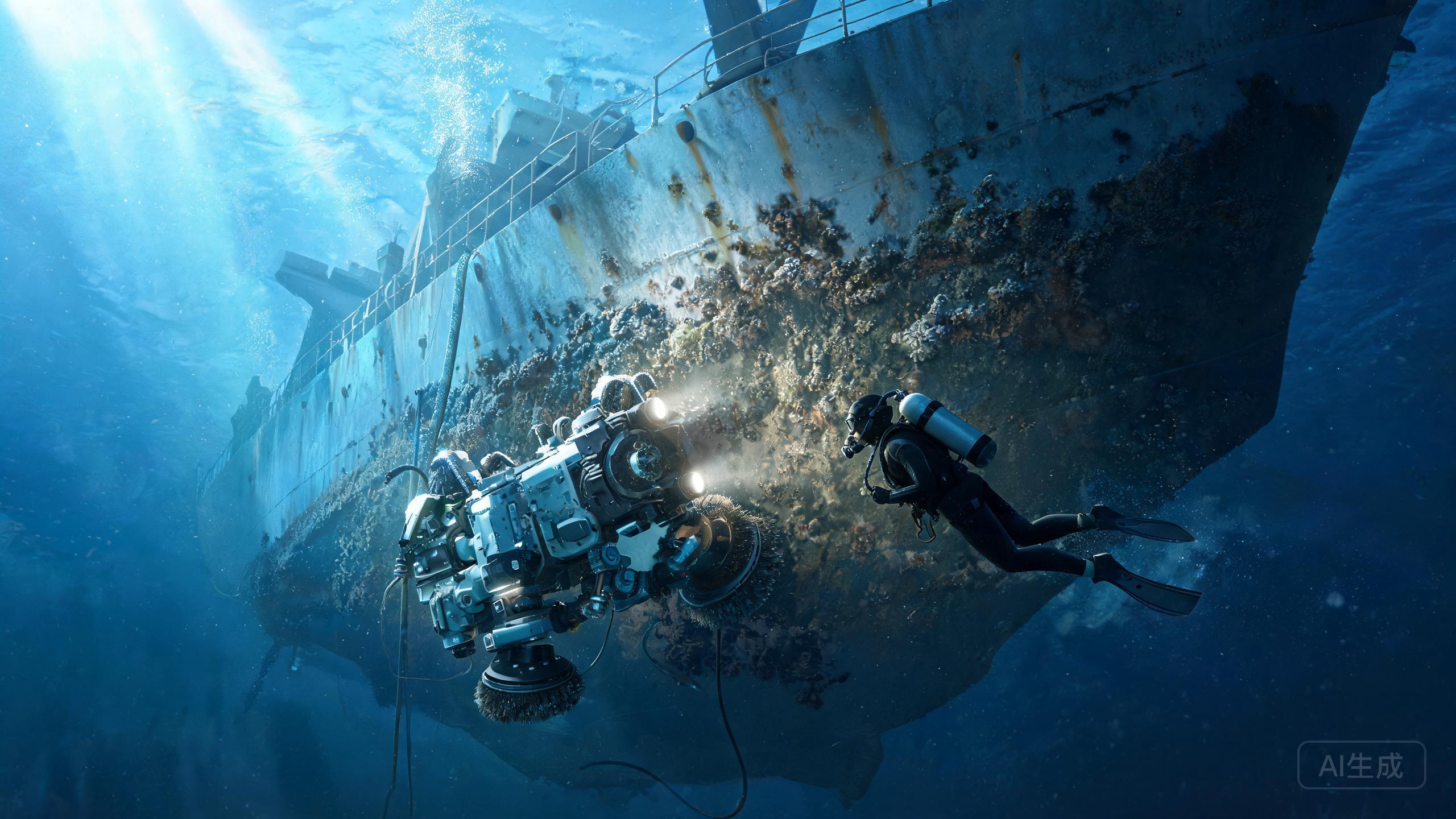
Keeping a yacht hull clean is no longer a seasonal haul-out chore. In 2026 the market for underwater hull cleaning robots has matured into a serious alternative to dive teams, and the best hull cleaner for yachts now depends on how you use the boat. This editorial review from TopCleanRobots compares the leading systems in the Hull & Underwater Cleaners category, weighing semi-autonomous grooming, magnetic crawlers, and high-pressure ROV platforms. We look at biofouling cleaning robot cost, the ROV hull cleaner vs diver trade-off, and the real hull cleaning fuel savings owners can expect. Whether you want early-stage fouling control or full in-water cleaning without haul-out, the right machine changes the economics of yacht ownership.
Why Yacht Hull Cleaning Matters in 2026
Fouling starts as a slime film and quickly becomes drag. Left alone, it raises fuel burn, slows the boat, and can spread invasive species between marinas. The 2026 generation of underwater hull cleaning robots attacks this problem in water, on a schedule, rather than waiting for a haul-out. Grooming early and often is the strategy behind semi-autonomous systems, while heavier fouling calls for magnetic hull crawling robot platforms or high-pressure ROV tools. For yacht owners, the payoff is twofold: a cleaner running surface and measurable hull cleaning fuel savings over a season. The category now spans gentle grooming units through to industrial-grade cleaners proven on commercial tonnage.
Top Picks: SeaRobotics HullBUG and Keelcrab Pro
At the top of our ranking sits the SeaRobotics HullBUG (9.3), a semi-autonomous hull grooming system designed to stop fouling early before it hardens. It suits yacht owners who value frequent, low-impact cleaning over reactive scrubbing. Close behind, the Keelcrab Pro (9.0) targets underwater yacht hull cleaning without haul-out, making it a strong fit for owners who want in-water maintenance on a regular cycle. Both reflect the shift toward preventive grooming. If your priority is keeping a lightly fouled hull in check, HullBUG leads; if you want a dedicated yacht-focused in-water cleaner, Keelcrab Pro is the natural comparison. For context on how these fit the wider field, see our ship hull cleaning drone review coverage across the category.
ROV Cleaners vs Magnetic Crawlers: Matching the Tool to the Hull
The HullWiper ROV (8.8) brings high-pressure cleaning down to 40 m, a proven approach for larger yachts and commercial hulls. Fleet Robotics (8.5) uses magnetic adhesion for 400 m²/h coverage, while CLIIN Robotics (7.8) pushes a magnetic crawler to 500–800 m²/h. These magnetic hull crawling robot designs excel on steel hulls where adhesion is reliable. Nautica Technologies HYDRA (8.3) offers a Swiss autonomous fleet with AI control, and ECOsubsea Panther 10x (8.1) carries Norwegian cleaning proven on laden Capesize ships. Greensea IQ EverClean (7.5) combines cleaning and inspection with a 0.7 m swath, useful for verification. The ROV hull cleaner vs diver question is central here: ROVs deliver consistent pressure and documented coverage, while divers remain flexible on complex shapes. Match the platform to hull material and fouling level before deciding.
Cost, Efficiency and Fuel Savings: The Owner's Math
Biofouling cleaning robot cost varies widely by platform: gentle grooming units sit at the entry end, while high-coverage magnetic crawlers and ROV systems command more. The calculation should weigh cleaning frequency against fuel, because a fouled hull quietly erodes efficiency all season. Regular in-water cleaning supports hull cleaning fuel savings by keeping drag low, and the coverage rates above (from 400 m²/h to 500–800 m²/h on crawler systems) show how quickly a professional unit can complete a hull. Lower-rated entrants such as Tas Global (7.2) and BRI Offshore (7.0) appear in market reports but offer less verified data. For yacht owners, the practical takeaway is to budget for scheduled grooming rather than emergency haul-outs, and to compare total seasonal cost, not sticker price alone.
Our verdict
The best hull cleaner for yachts in 2026 is the one that matches your hull, fouling level, and maintenance rhythm. SeaRobotics HullBUG (9.3) leads for preventive grooming, Keelcrab Pro (9.0) for in-water yacht cleaning without haul-out, and the HullWiper ROV (8.8) for high-pressure work to 40 m. Magnetic crawlers from Fleet Robotics and CLIIN Robotics offer the highest coverage, while Nautica HYDRA and ECOsubsea Panther 10x bring autonomous and commercial-proven options. Weigh biofouling cleaning robot cost against hull cleaning fuel savings, and treat the ROV hull cleaner vs diver choice as a question of hull geometry and documentation needs. Choose deliberately and the season pays you back.