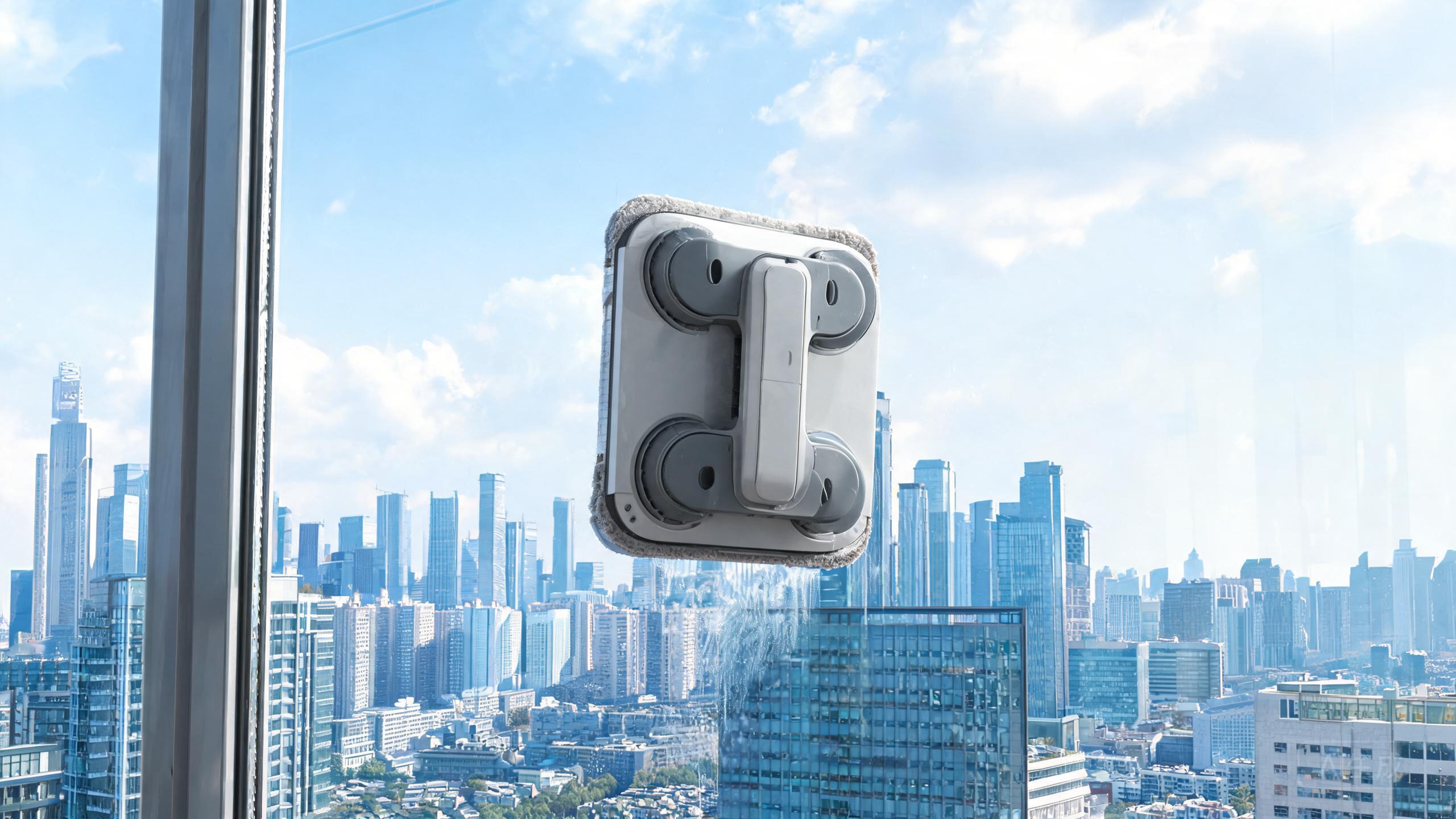
If you live above the third floor, cleaning windows yourself stops being a weekend chore and starts being a genuine risk. That is exactly the problem the HOBOT 298 was built to solve. Rated 8.3 by our team, this model is positioned as a high-rise window specialist, and it is a clear step up from the HOBOT 268 for taller glass. In this robot window cleaner review, we break down whether the 298 earns a place among the best window cleaning robot 2026 options, how its safety and navigation compare, and whether an automatic window washer is worth it for your home.
Why the HOBOT 298 Is Tuned for High-Rise Windows
The headline feature here is not raw speed or app gimmicks, it is the combination of high-rise readiness, upgraded navigation, and enhanced safety. Those three pros are exactly what matters when the glass is ten floors above the pavement. The 298 is designed for high-rise use, and HOBOT has clearly prioritized the parts of the experience that fail first on tall buildings: route planning and fall protection. Compared with the 268, the 298 is the more confident choice for taller glass, which is why we consider it a leading best robot for high rise windows candidate in this price band. It is not a budget pick, and it is still corded, but those trade-offs buy you a machine that behaves predictably when the consequences of a mistake are serious.
Window Cleaning Robot Safety and Suction Power Explained
Window cleaning robot safety is the single most important spec on a machine like this, and the 298 addresses it with enhanced safety rather than basic protection. The product data lists safety as enhanced, which is a meaningful upgrade over entry-level units that rely on a single tether. Because the 298 is corded, it also has a continuous power supply, so suction does not fade as a battery drains mid-cycle, a real advantage for window cleaner suction power on large panes. That said, we will not quote a specific suction figure here because the manufacturer data we have does not include one. What we can say is that the combination of a corded power supply and enhanced safety makes the 298 one of the more reassuring options for anyone nervous about a robot working at height. If safety is your top priority, this is the model in the HOBOT line to look at first.
Navigation, Height, and Real-World Performance
Navigation is listed as upgraded, and height is listed as high-rise, which together tell a consistent story: the 298 is meant to handle large, tall glass surfaces without wandering or stalling. Upgraded navigation matters most on wide windows and floor-to-ceiling panes, where a less capable robot can miss corners or repeat the same path. The 298 is a solid step up from the 268 for taller glass, and that is the clearest way to think about it. It is not a redesign, it is a refinement aimed at the exact use case its tagline promises. For a typical apartment or office with tall windows, the 298 covers the job without the babysitting that cheaper units often require.
Is an Automatic Window Washer Worth It? Price and Trade-Offs
The two cons are honest and worth repeating: the 298 costs more than the 268, and it is still corded. So is an automatic window washer worth it? For a ground-floor home with a few small panes, probably not, a squeegee is faster. For anyone dealing with high-rise glass, the math changes. The 298 replaces a genuinely risky chore with a machine that has enhanced safety and upgraded navigation, and it does so without the suction fade that battery-powered rivals can suffer. The higher price over the 268 buys exactly the upgrades that matter at height. If your windows are tall and hard to reach, the 298 is the version of this robot we would recommend; if your windows are low and few, save the money and look at the 268 instead.
Our verdict
The HOBOT 298 earns its 8.3 rating by doing one thing well: cleaning tall glass safely. Upgraded navigation, enhanced safety, and high-rise readiness make it a strong contender for the best window cleaning robot 2026 for apartments and offices with hard-to-reach windows. It is not cheap and it is not cordless, but for high-rise glass, those are acceptable trade-offs for a machine you can actually trust at height.