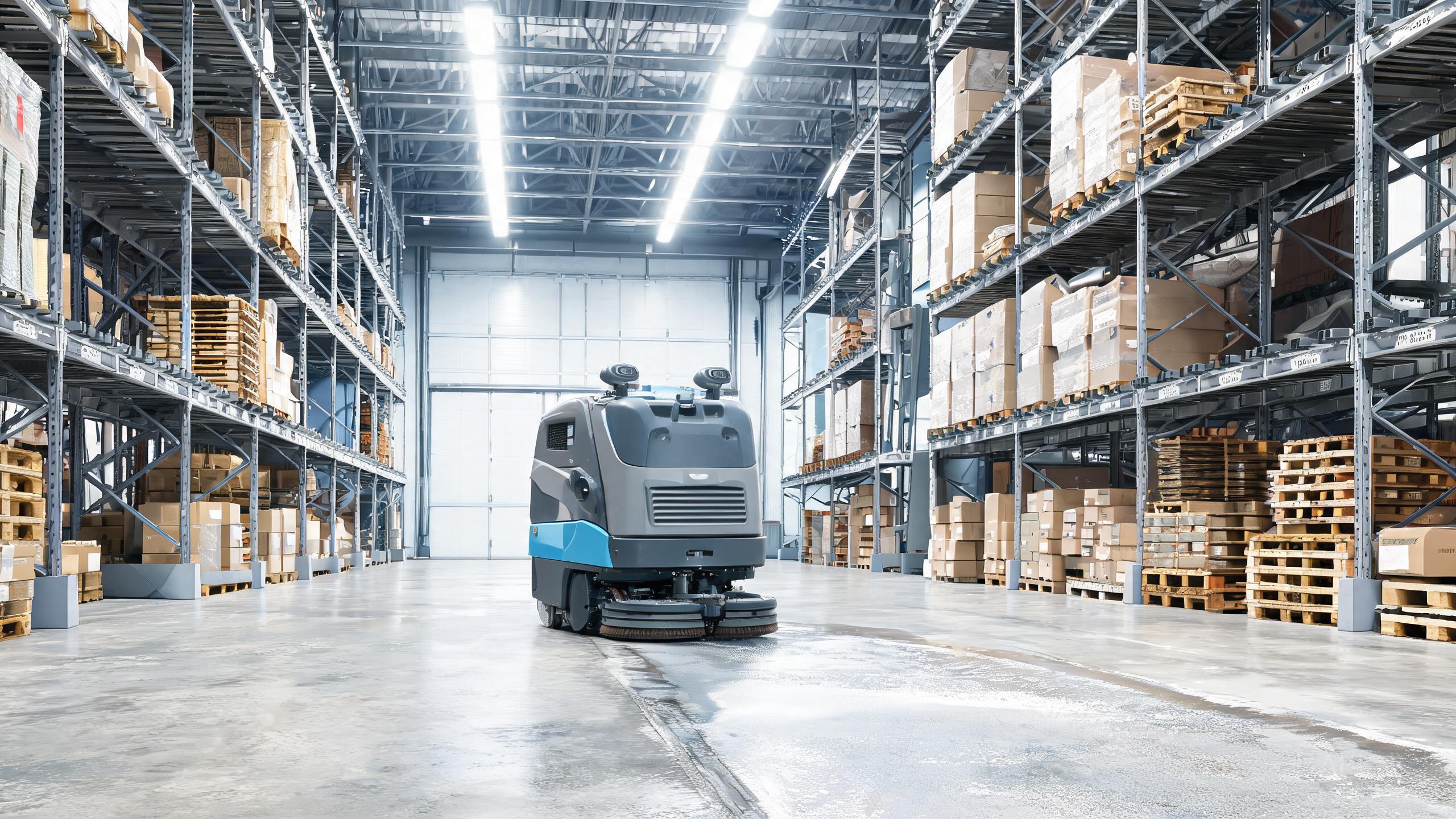
The Gausium Scrubber 75 is a serious piece of industrial cleaning hardware. With Turnado 270° rotating brushes, a 6-hour runtime, and one of the widest scrubbing paths available, it ranks as a strong contender for the best autonomous floor scrubber 2026. But even a 7.0-rated machine can become a bad investment if you buy it for the wrong reasons. This commercial cleaning robot review focuses on the buying mistakes that trip up warehouse and factory operators — so you can avoid them before you sign the purchase order.
Mistake 1: Ignoring the Real Cost of SLAM Floor Scrubber Ownership
Many buyers fixate on the sticker price and forget that SLAM floor scrubber cost includes much more than the unit itself. With the Scrubber 75, you are paying for industrial-grade durability, Turnado 270° rotating brushes, and a 6-hour runtime — features that carry a high price tag. The mistake is comparing it only against cheaper manual machines or lightweight robots without factoring in maintenance, replacement brushes, battery service, and software updates. If you calculate total cost of ownership over three to five years, the picture changes dramatically. Buyers who skip this step often feel overcharged later, even when the machine performs exactly as specified.
Mistake 2: Assuming an Autonomous Scrubber vs Manual Cleaning Is Always a Win
The autonomous scrubber vs manual cleaning debate is not as one-sided as marketing suggests. The Scrubber 75 shines in large, open industrial spaces where its wide scrubbing path and 6-hour runtime deliver near-continuous cleaning. But if your facility has narrow aisles, frequent layout changes, or mixed pedestrian traffic, you may not unlock that efficiency. The mistake is buying based on the promise of automation without mapping your actual floor plan. A robot that spends half its time rerouting around obstacles can cost more per square meter than a manual crew. Run a pilot in your real environment before committing.
Mistake 3: Overlooking the Aging 2023 Platform When Comparing Robotic Floor Scrubber Brands
One of the Scrubber 75's documented cons is that it sits on an aging 2023 platform. When shopping across robotic floor scrubber brands in 2026, buyers often assume a well-known name automatically means the latest technology. That is a mistake. Newer competitors may offer updated navigation, better fleet software, or improved sensors at similar prices. The Scrubber 75 still delivers strong hardware — Turnado 270° brushes and industrial durability — but you should confirm whether firmware and support roadmaps meet your long-term needs. Buying an older platform at a premium price without checking the upgrade path is one of the most expensive mistakes in this category.
Mistake 4: Expecting Warehouse Cleaning Robot ROI Without Measuring Your Baseline
Warehouse cleaning robot ROI does not appear automatically — it is calculated against a baseline. The mistake is buying the Scrubber 75 without first recording your current labor hours, chemical usage, water consumption, and cleaning frequency. Because the Scrubber 75 targets near-continuous cleaning in factories where machines set the schedule, its value depends on how much manual cleaning it actually replaces. If you never measured that, you cannot prove payback, and finance teams will question the purchase. Track two to four weeks of manual cleaning data before you buy. That baseline turns a vague efficiency claim into a defensible ROI number.
Our verdict
The Gausium Scrubber 75 is a capable industrial scrubber with genuinely wide coverage and long runtime, but it is not a plug-and-play purchase. Avoid these four mistakes — underestimating total SLAM floor scrubber cost, assuming automation always beats manual cleaning, ignoring the aging 2023 platform, and skipping your ROI baseline — and you will make a far smarter decision. Treat this commercial cleaning robot review as a checklist, not a sales pitch, and the Scrubber 75 can earn its place in your 2026 fleet.