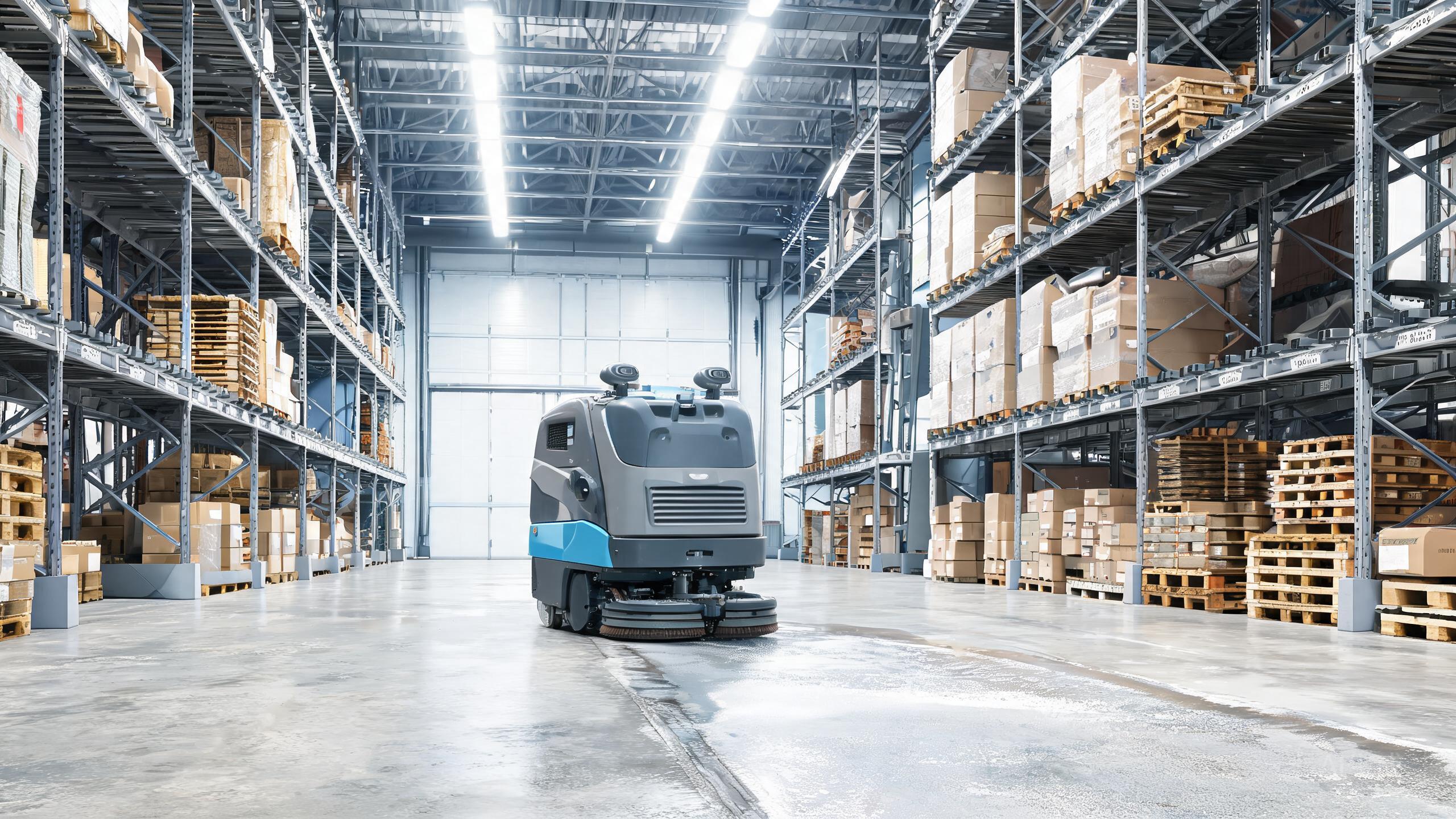
The Avidbots Neo 2 is a serious piece of equipment: 4,400 m²/h throughput, a 105-litre tank, and remote fleet monitoring that keeps managers informed from a distance. But even a proven workhorse for airports and big-box retail depends on consistent care to deliver long, uninterrupted runs. This guide focuses on the maintenance routines that protect your investment, reduce downtime, and keep your total cost of ownership predictable. Whether you are comparing robotic floor scrubber brands or already running a fleet, these habits make the difference between a machine that lasts and one that constantly needs service.
Daily Care Routines That Protect Throughput
High throughput is only sustainable when each shift ends with a clean machine. After every run, empty and rinse the 105-litre tank to prevent residue buildup that can clog lines and reduce scrubbing effectiveness. Flush the recovery system and wipe the squeegee blades, since worn or dirty blades leave streaks and force repeat passes, quietly eroding the 4,400 m²/h advantage. Check the brush deck for tangled debris and confirm the solution filter is clear. A five-minute end-of-shift routine is the simplest way to keep performance close to specification and avoid the small faults that snowball into costly repairs.
Sensor and Navigation Hygiene for Reliable Autonomy
Autonomous operation lives or dies by sensor health. Dust, lint, and dried cleaning solution on cameras and lidar windows degrade mapping accuracy and can trigger unnecessary stops. Build a weekly habit of wiping sensor surfaces with a soft, dry or slightly damp cloth, and inspect the bumper and emergency-stop areas for obstructions. Because the Neo 2 supports remote fleet monitoring, use that dashboard to spot recurring navigation faults or missed zones early; patterns in alerts often point to a dirty sensor rather than a software issue. Clean sensors mean fewer interventions, smoother routes, and a stronger case when you calculate autonomous scrubber vs manual cleaning savings.
Long-Term Upkeep and Cost Planning
The Neo 2 carries a high upfront cost, so long-term care is really investment protection. Track brush and squeegee wear against operating hours rather than waiting for visible failure, and schedule professional servicing before peak seasons when airports and retail floors cannot afford downtime. Keep maintenance logs tied to your remote monitoring data so you can see how care routines affect uptime and cleaning consistency. This record also sharpens warehouse cleaning robot ROI calculations, because predictable maintenance costs are easier to budget than emergency repairs. If you are still evaluating robotic floor scrubber brands, ask vendors about service intervals and parts availability, since the SLAM floor scrubber cost story is incomplete without lifetime upkeep figures.
Building a Care Culture Around Your Scrubber
Equipment care is a team habit, not a checklist on a wall. Train operators on the daily rinse-and-inspect routine, assign one person to review remote monitoring alerts each week, and rotate responsibility for sensor cleaning so no task falls through the cracks. Document a simple escalation path for faults so small issues reach service partners quickly. When staff understand that the 105-litre tank, brush deck, and sensors are the machine's core assets, care becomes routine rather than reactive. For organisations weighing commercial cleaning robot review findings, the operators who treat maintenance as part of the job consistently report fewer breakdowns and more stable cleaning results.
Our verdict
The Avidbots Neo 2 earns its reputation as a heavy-duty autonomous scrubber through raw capability, but that capability is preserved by disciplined care. Daily tank and squeegee attention, weekly sensor hygiene, and hour-based wear tracking keep throughput near the rated 4,400 m²/h and protect a significant upfront investment. Treat maintenance as part of operations, not an afterthought, and your scrubber will keep delivering uninterrupted cleaning season after season.