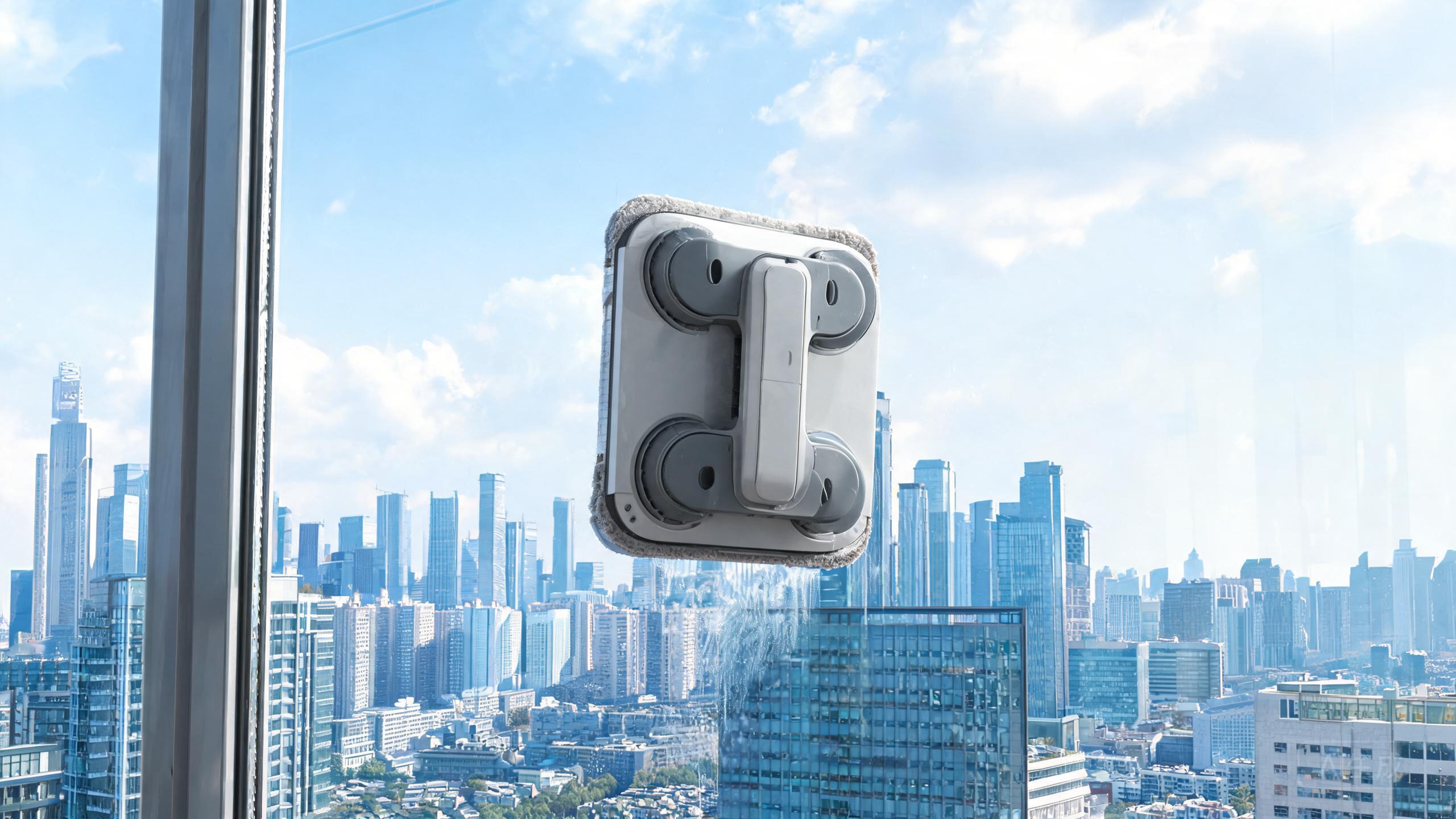
If you own a window cleaning robot, you know the pads do the heavy lifting. Over time, worn pads reduce cleaning efficiency, compromise window cleaning robot safety, and can even affect window cleaner suction power. This guide covers everything you need to know about pad replacement for popular models like the ECOVACS Winbot W2 Pro Omni, HOBOT 268, and Mamibot iGLASSBOT series. Whether you're searching for the best window cleaning robot 2026 or just want to maintain your current unit, proper pad care is essential. Our robot window cleaner review experts explain when and how to replace pads, so your automatic window washer remains worth it.
Why Pad Replacement Matters for Safety and Suction
Worn or dirty pads are more than a cleaning nuisance—they directly impact window cleaning robot safety. A clogged pad can reduce friction, causing the robot to slip, especially on high-rise windows. For models like the HOBOT 298, a high-rise window specialist, maintaining optimal pad condition is critical. Additionally, window cleaner suction power relies on a proper seal between the pad and glass. When pads become saturated with grime, suction efficiency drops, increasing fall risk. Regular replacement ensures your best robot for high rise windows performs reliably. For the ECOVACS Winbot W2 Pro Omni, the best overall window cleaner, fresh pads preserve its strong suction and edge-detection accuracy.
When to Replace Your Window Robot Pads
Most manufacturers recommend replacing pads every 3–6 months, depending on usage frequency. Signs it's time for a swap include visible fraying, persistent streaks after cleaning, or reduced suction. In our robot window cleaner review, we found that pads on the HOBOT 268, a reliable multi-surface vacuum, last about 4 months with weekly use. For the Mamibot iGLASSBOT W120-DP, a square-window all-rounder, replace pads when edges curl. If you use your automatic window washer worth it? Yes—but only with fresh pads. High-rise users with the HOBOT 298 should replace pads more often, as safety margins are tighter. The Mamibot iGLASSBOT W200 SkyBot, a cordless long-runtime cleaner, benefits from pad changes every 3 months to maintain suction on large windows.
How to Replace Pads: Step-by-Step for Popular Models
Replacement procedures vary slightly by model. For the ECOVACS Winbot W2 Pro Omni, peel off the old pad from the bottom, align the new pad's Velcro strips, and press firmly. The HOBOT 268 and 298 use a similar hook-and-loop system. For Mamibot iGLASSBOT W120-DP and W168, remove the pad by unsnapping the corner tabs, then attach the new one ensuring a flat seal. The HUTT S55 Pro, a large-window cleanup specialist, requires unscrewing a retaining ring before swapping. Always power off the robot before replacement. After fitting, run a test cycle on a low window to confirm suction and adhesion. For the HOBOT 300, an app-controlled convenience model, check the app for pad wear alerts. Proper installation preserves window cleaner suction power and extends motor life.
Choosing the Right Replacement Pads
Not all pads are created equal. Original manufacturer pads are designed to match your robot's suction and navigation system. For the best window cleaning robot 2026, such as the ECOVACS Winbot W2 Pro Omni, use only OEM pads to maintain rating performance. Aftermarket pads may be cheaper but can void warranties and reduce window cleaning robot safety. For high-rise models like the HOBOT 298, never compromise on pad quality. Microfiber pads are standard; some models offer specialized pads for different surfaces. The Mamibot iGLASSBOT W120-P, an entry-level square-window cleaner, accepts standard microfiber pads. Always check compatibility before buying. If you're wondering if an automatic window washer is worth it, remember that proper pads are part of the total cost of ownership.
Our verdict
Pad replacement is a simple maintenance task that pays off in safety, performance, and longevity. Whether you own the best robot for high rise windows or a compact entry-level model, fresh pads ensure your window cleaning robot safety and suction remain optimal. Make pad checks part of your routine—your windows will thank you.