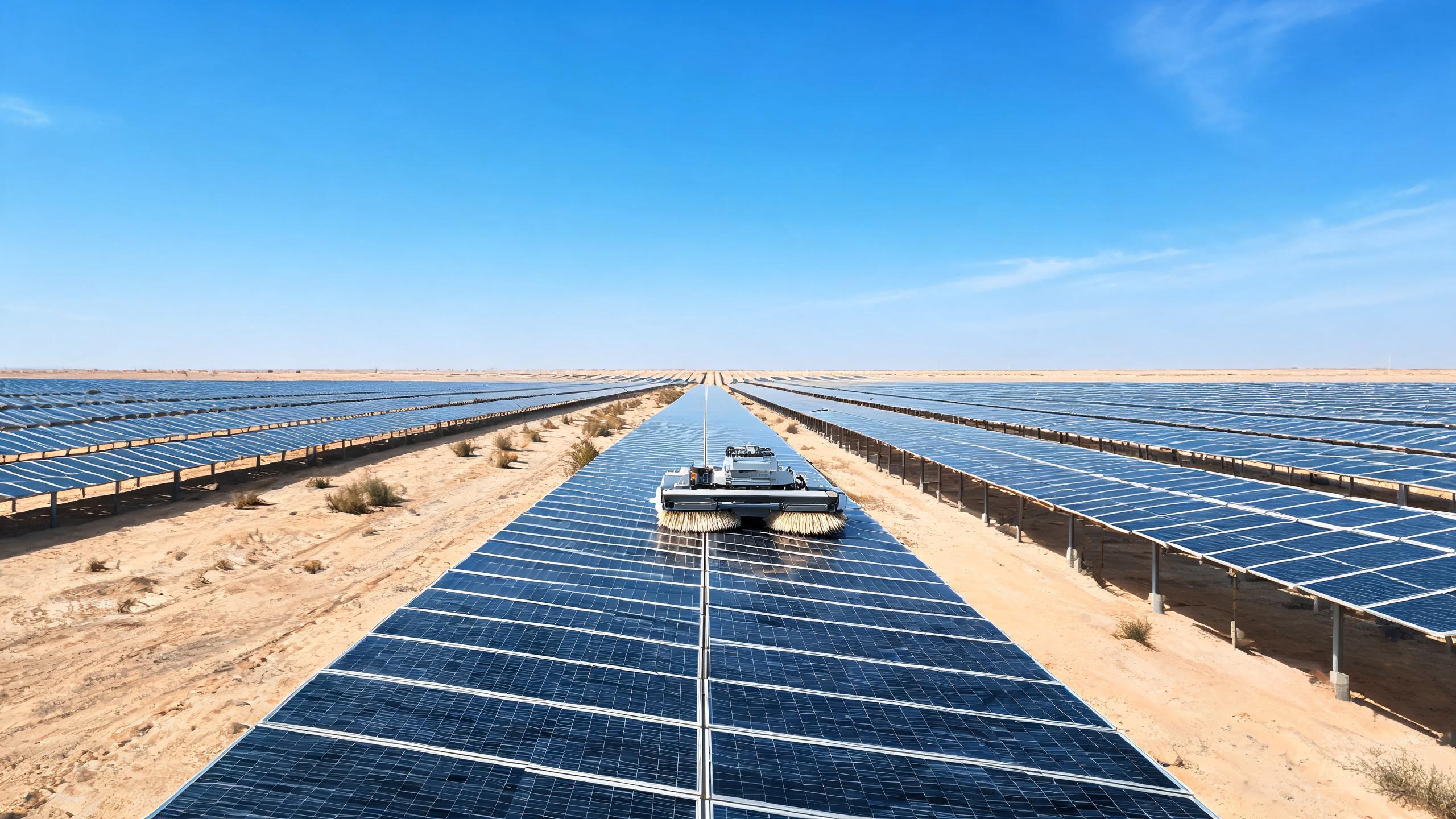
Solar cleaning robots are now essential for maintaining PV efficiency, but their longevity and repair costs often determine ROI. In this 2026 guide, we analyze the best solar panel cleaning robot options, from waterless solar panel cleaner designs to utility scale PV cleaning robot fleets. We also break down solar panel cleaning robot cost, answer does solar panel cleaning improve output, and compare dry vs wet solar panel cleaning. Whether you manage a rooftop array or a massive solar farm, understanding robot durability and repair strategies will save you money.
What Determines Solar Cleaning Robot Longevity?
Longevity hinges on build quality, motor durability, and environmental exposure. For utility scale PV cleaning robot fleets, models like Ecoppia T4 (rating 9.5) use waterless cleaning to reduce corrosion and wear. SolarCleano F1 (9.0) offers remote wet/dry operation, but wet cleaning can introduce moisture-related maintenance. IFBOT X3 (8.8) is built for steep roofs and dry cleaning, minimizing water damage. Battery life and brush replacement cycles are key: SDZ NCE Fugo X1 (8.3) boasts long runtime for autonomous rooftop cleaning. Budget options like Lovsun PV Cleaner Robot (7.5) may need more frequent repairs. Regular maintenance—cleaning brushes, checking seals, and updating software—extends lifespan by years.
Common Repairs and Cost Breakdown
Typical repairs include brush replacement, motor fixes, sensor calibration, and battery swaps. Solar panel cleaning robot cost varies widely: entry-level models like Tengda TT-1500 (7.0) are affordable but may have higher repair frequency. Mid-range units like GEKKO Solar Fox (8.7) and Neexgent NXR-IV (8.5) balance durability and service costs. Premium utility scale PV cleaning robot like Ecoppia T4 often have modular parts, reducing downtime. Expect annual maintenance budgets of 5–15% of the initial robot price. Waterless solar panel cleaner designs reduce water-related repairs, while wet/dry models like SolarCleano F1 require more frequent seal checks. Does solar panel cleaning improve output? Yes—but only if robots are maintained; dirty brushes or faulty motors can cut efficiency gains.
Dry vs Wet Cleaning: Impact on Robot Wear
Dry vs wet solar panel cleaning affects both robot longevity and output. Dry cleaning (e.g., IFBOT X3, Ecoppia T4) avoids water corrosion and is ideal for arid regions, but may scratch panels if brushes aren't cleaned. Wet cleaning (e.g., SolarCleano F1, GEKKO Solar Fox) improves stubborn dirt removal and can boost output, but introduces moisture that accelerates wear on motors and seals. For utility scale PV cleaning robot fleets, a hybrid approach—dry daily, wet monthly—often maximizes ROI. Waterless solar panel cleaner models are gaining traction in 2026 due to lower maintenance. Regardless of method, regular inspection of brushes, hoses, and batteries is critical. Does solar panel cleaning improve output? Yes, but the gain must outweigh repair costs—typically 10–25% output increase if maintained properly.
Top Robots for Longevity and Low Repair in 2026
Based on our ratings, Ecoppia T4 (9.5) leads for utility scale PV cleaning robot durability with waterless design. SolarCleano F1 (9.0) is best for remote wet/dry flexibility. IFBOT X3 (8.8) excels on steep roofs with dry cleaning. GEKKO Solar Fox (8.7) and Neexgent NXR-IV (8.5) are service-fleet workhorses. SDZ NCE Fugo X1 (8.3) offers long runtime for autonomous rooftops. Budget picks like Lovsun (7.5) and TEAMANTS TAR01 (7.2) require more maintenance. For RV owners, Tengda TT-1500 (7.0) is lightweight but less durable. X8 Robotics X8 Plus (6.8) is a tracked ground-plant cleaner with moderate repair needs. When evaluating solar panel cleaning robot cost, factor in expected repairs: premium models often cost more upfront but save on downtime.
Our verdict
Solar cleaning robot longevity and repairs are critical for maximizing PV output. In 2026, the best solar panel cleaning robot balances durability, repair cost, and cleaning efficiency. Waterless solar panel cleaner designs reduce maintenance, while wet/dry models offer flexibility at higher repair risk. Whether you choose a utility scale PV cleaning robot or a budget model, regular maintenance is non-negotiable. Remember: does solar panel cleaning improve output? Yes—but only if your robot is well-maintained. Compare solar panel cleaning robot cost against expected lifespan and repair frequency to make a smart investment.