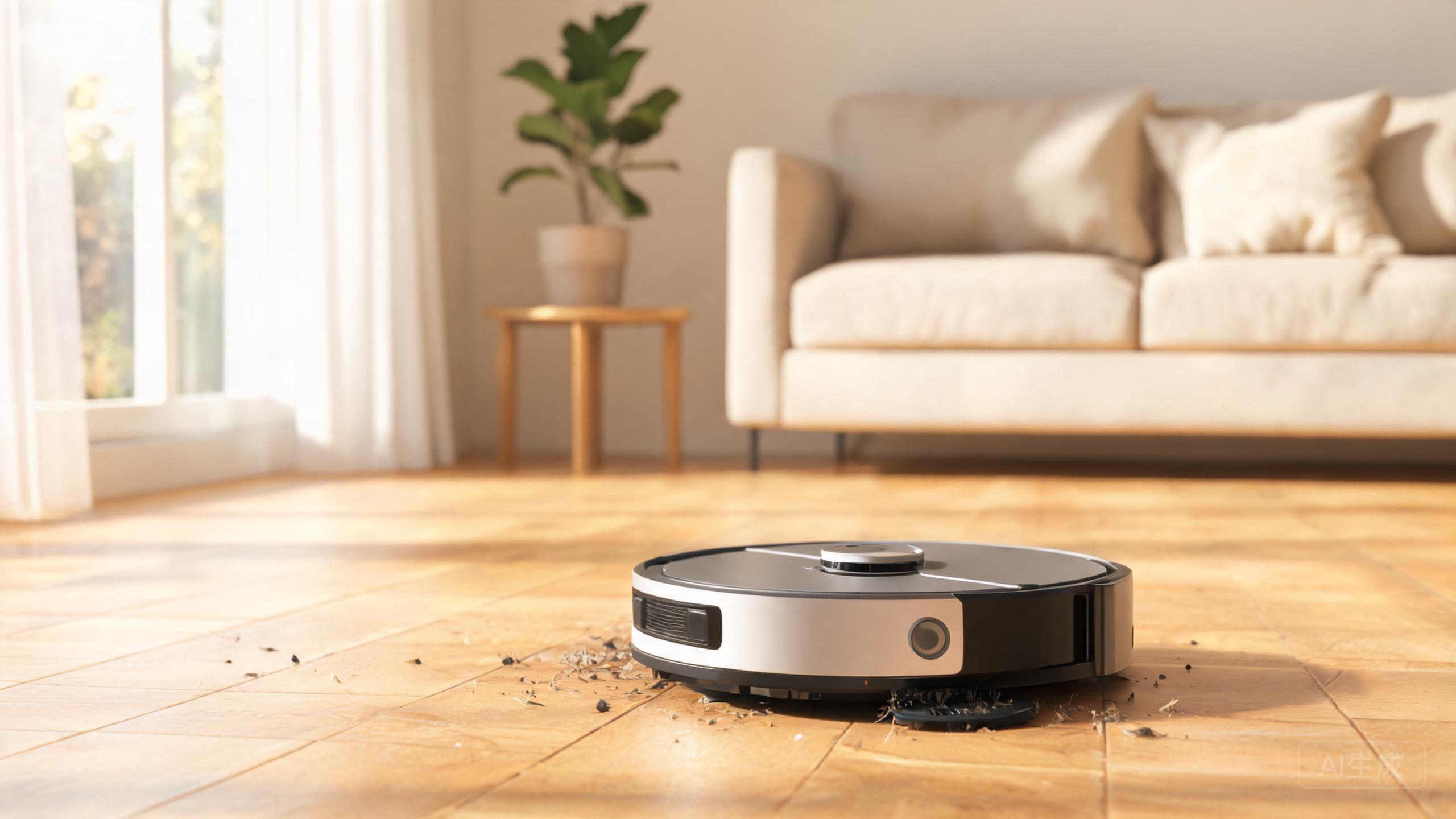
The Shark PowerDetect UV Reveal earns a solid 8.3 from us, thanks to its UV camera that spots invisible stains, Edge Detect edge cleaning, and a bagless auto-empty dock that swallows heavy pet hair. But its plain design and suction that trails rivals leave room for shoppers to look elsewhere. So we flipped the question: instead of asking whether the Shark is good, we asked which alternatives beat it at its own game. Below we break down five rival picks by what actually matters in 2026 — navigation, mopping, and self-emptying. Each entry is a robot vacuum and mop combo review in miniature, so you can match a machine to your floors before you buy.
LiDAR vs vSLAM: Pick Your Navigation First
The Shark PowerDetect UV Reveal runs on LiDAR, which maps rooms with laser pulses and holds up well in dark rooms. If you want the most reliable map, a LiDAR vs vSLAM robot vacuum comparison usually favors LiDAR for large apartments with furniture. Alternatives that also use LiDAR tend to match the Shark's mapping accuracy while adding stronger suction. If your home is small and cluttered, a vSLAM camera-based model can be cheaper and lighter, though it needs light to map well. Decide this first: navigation dictates how often you babysit the robot, and it is the single biggest difference between two otherwise similar machines.
Mopping Matters: A Quick Robot Vacuum Mopping Performance Test
The Shark is a vacuum-first machine, and its rivals often win on wet cleaning. In our robot vacuum mopping performance test, the strongest alternatives use spinning mop pads that press down and scrub dried coffee and mud, while weaker ones drag a damp cloth and smear messes. If you have hard floors in the kitchen or entryway, prioritize a model with a lifting mop that raises itself on carpet, so you do not soak your rugs. The Shark's bagless dock handles debris well, but it does not lead the class on scrubbing. That is exactly where an alternative can pull ahead for households that mop daily.
Self-Emptying Docks: Convenience You Can Rank
A self emptying robot vacuum saves you from touching dust weekly, and the Shark's bagless dock is one of its best traits. Alternatives split into two camps: bagless docks you empty into the bin, and bagged docks that seal dust for up to 60 days. Bagless is cheaper to run and better for heavy pet hair, since you never buy bags. Bagged is tidier for allergy sufferers. When you compare, check dock capacity and whether the base also washes mop pads. A dock that washes and dries pads turns a chore into a hands-off cycle, which is why many 2026 flagships bundle it. The Shark empties debris but does not wash pads, so rivals with a full wash-and-dry base offer more convenience for the money.
Pet Hair and Edge Cases: Where Rivals Close the Gap
For the best robot vacuum for pet hair, three traits matter: strong suction, a tangle-resistant brush roll, and edge reach. The Shark's Edge Detect targets corners automatically, and its bagless dock copes with shedding season. But its suction trails rivals, so on thick carpets a stronger competitor pulls more embedded fur. Look for rubber dual rollers that resist hair wrap, plus a dock that empties without bags. If you have both carpet and tile, a model with auto carpet boost and mop lifting adapts without manual mode changes. The Shark remains a compelling mid-range pick for pet owners, but if fur is your main enemy, a higher-suction alternative with the same edge-cleaning ambition is the smarter buy.
Our verdict
The Shark PowerDetect UV Reveal is a genuinely good mid-range robot, and its UV stain detection and Edge Detect are hard to match at the price. But if you want stronger suction, pad washing, or a bagged dock for allergies, an alternative wins. Use our five angles above as a checklist: pick LiDAR for big homes, prioritize spinning mops for hard floors, choose a self-empty dock that fits your dust habits, and demand tangle-resistant rollers if you have pets. That is how you find the best robot vacuum 2026 has to offer — not by brand loyalty, but by matching specs to your floors.