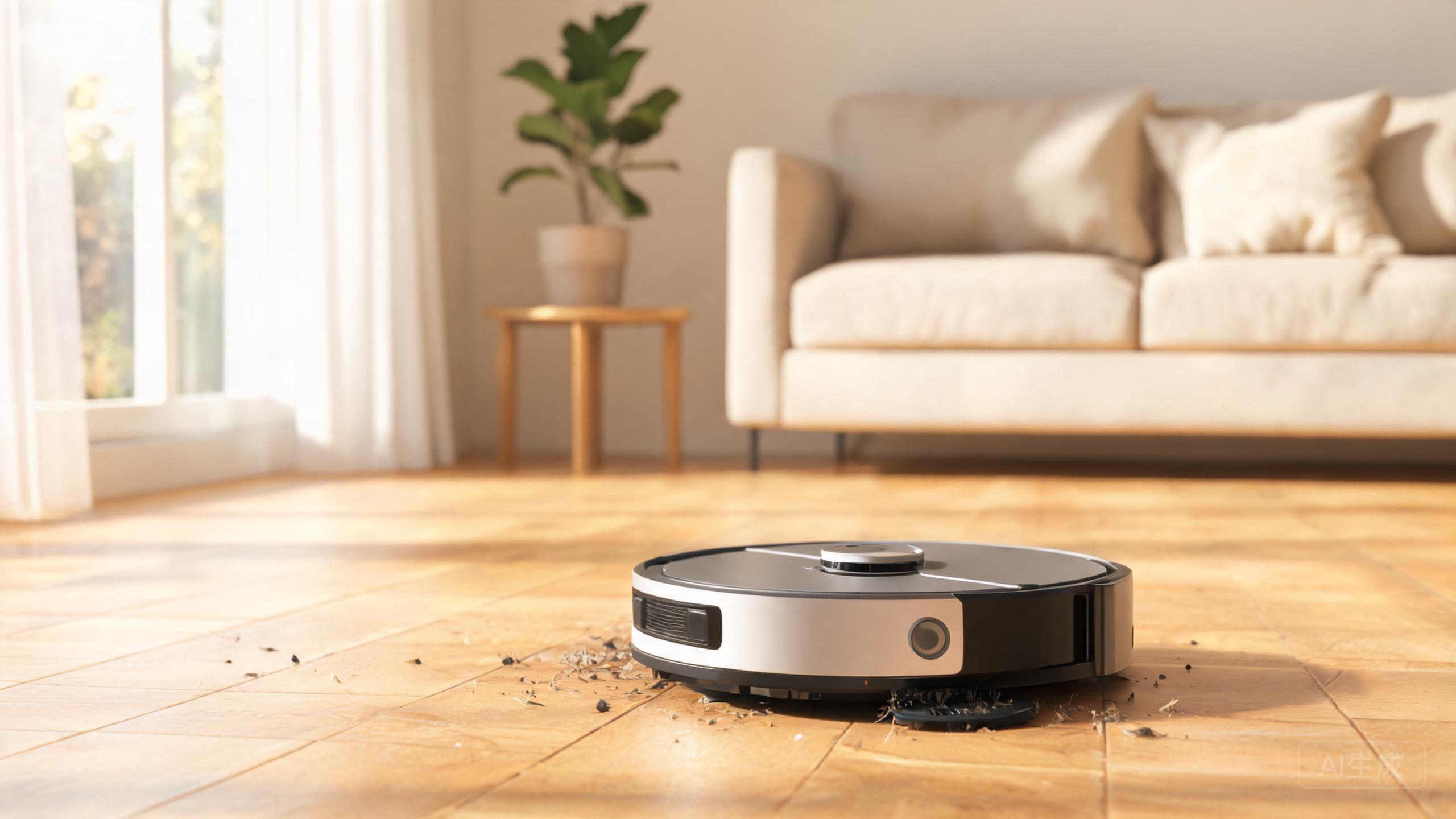
Noise is one of the most overlooked specs in the best robot vacuum 2026 shoppers chase. A flagship can map perfectly, but if it roars through your living room, you will not run it while you work or sleep. This editorial compares noise behavior across the category, using the same models we rank in our robot vacuum and mop combo review. We look at how suction modes, navigation, and self-maintenance docks change what you actually hear, and which machines stay quiet enough for daily use.
Why Noise Matters More Than Ever in 2026
Robot vacuums have moved from novelty to daily appliance, and the best robot vacuum 2026 buyers expect to schedule runs around real life. Noise now shapes when you can clean: a quiet vacuum can run during a call, while a loud one is banished to empty hours. Two design trends drive this. First, self emptying robot vacuum docks add a powerful motor that empties the bin in seconds, creating a short but loud burst. Second, high-suction flagships like the Dreame X60 Max Ultra Complete, our top-rated model at 9.4, push airflow harder, so their peak mode is audibly stronger than their quiet mode. The practical takeaway: compare noise per mode, not a single number.
LiDAR vs vSLAM: Navigation Changes the Sound Profile
The LiDAR vs vSLAM robot vacuum debate usually centers on mapping accuracy, but navigation also changes noise. LiDAR models spin a small turret to scan rooms, adding a faint high-frequency whir on top of motor noise. vSLAM relies on cameras, so it is silent at the sensor level but often needs more light and more re-routing, which means longer motor run time. In practice, a well-mapped LiDAR robot finishes a room faster and returns to dock sooner, so total noise exposure can be lower even if its instant reading is slightly higher. For low-clearance furniture, the Roborock Saros 20 (9.2) shows how a slim LiDAR body keeps both mapping and noise predictable.
Mopping, Drying, and Dock Noise: The Hidden Loud Phases
Picks by Noise-Use Case: From Flagship to Budget
For all-round performance with manageable dock noise, the Dreame X60 Max Ultra Complete (9.4) remains our flagship pick. If you need quiet operation under furniture, the Roborock Saros 20 (9.2) is the low-clearance specialist. For wet cleaning, the Dreame Aqua10 Ultra Roller (8.8) is the best roller-mop hybrid, and its roller design reduces the repeated passes that extend motor noise. Pet owners should weigh the Shark PowerDetect UV Reveal (8.3), our best robot vacuum for pet hair and hidden stains, against its stronger suction needs. Budget buyers can look at the eufy Auto-Empty C10 (7.3), the best self-empty under $300, or the Roborock Q7 M5 (7.5) as the best budget vacuum/mop. Mid-range value seekers should note the Mova P50 Pro Ultra (8.0), while the Mova P10 Pro Ultra Gen 2 (7.8) and Yeedi S20 Infinity Ultra (8.2) round out stain-targeting and hardwood options.
Our verdict
Noise is not a single number but a profile: suction mode, navigation type, mopping cycles, and dock emptying all shape what you hear. In our robot vacuum mopping performance test, the quietest machines were not always the weakest; smart routing and roller mops cut total run time, which lowers overall noise exposure. Match the profile to your schedule, and a 2026 robot vacuum can clean while life goes on.