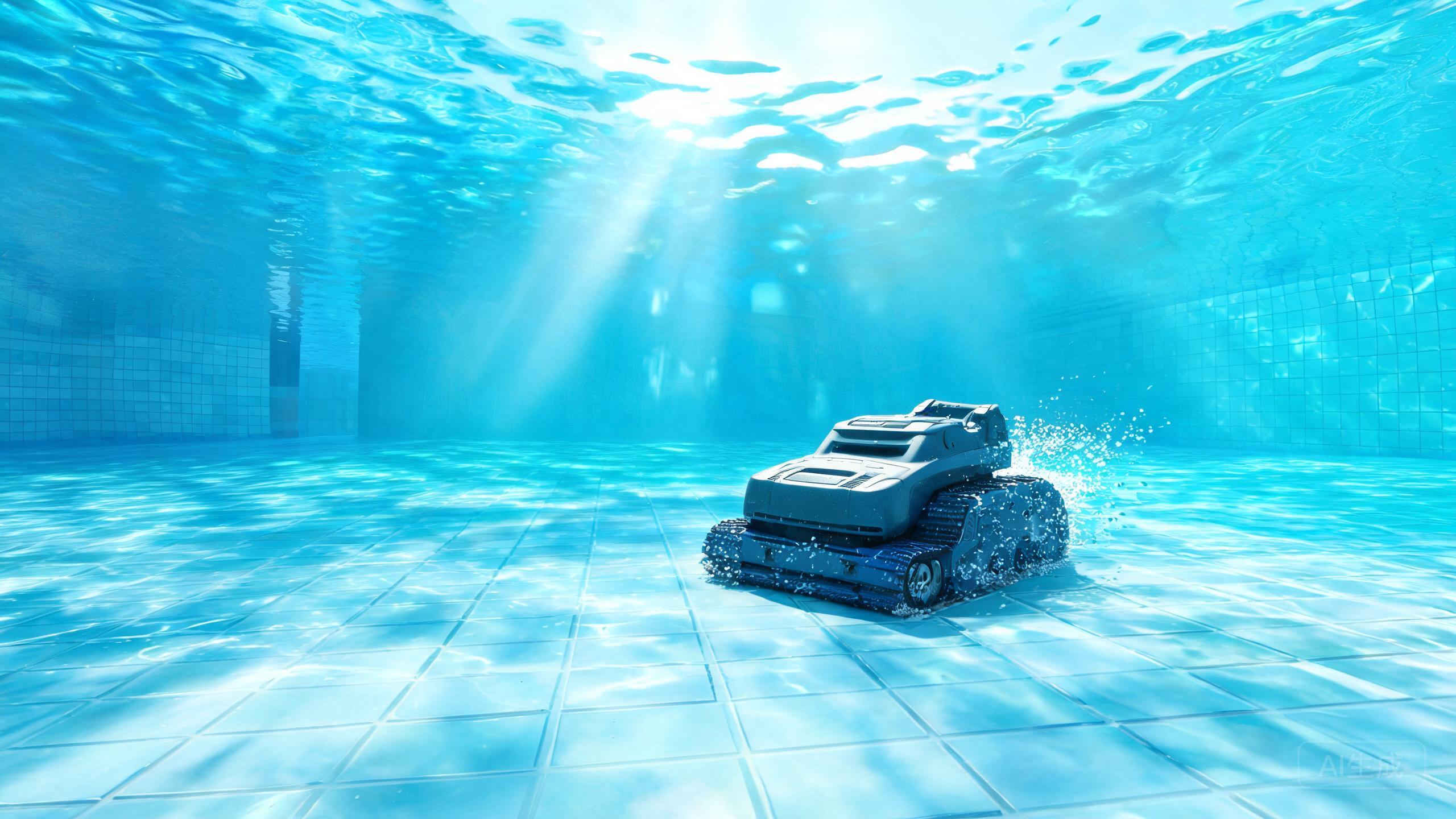
If you're shopping for a pool robot in 2026, suction power is the spec everyone talks about—but it's also the most misunderstood. Raw suction numbers don't tell you how well a cleaner climbs walls, handles debris, or works in your specific pool. In this editorial, we explain what suction power really means, how it interacts with brush design and filtration, and which robots from our tested lineup—like the Maytronics Dolphin Premier and Beatbot AquaSense 2 Ultra—deliver real-world performance. Whether you need the best pool vacuum for above ground pool or a premium cordless pool cleaner review, understanding suction is the first step.
What Suction Power Really Means (and What It Doesn't)
Suction power is typically measured in gallons per minute (GPM) or cubic meters per hour, but manufacturers rarely publish these figures. Instead, they tout 'powerful suction' without context. The truth: suction alone doesn't clean a pool. A robot with high suction but poor brush agitation will leave stuck debris behind. The best robotic pool cleaner 2026 models balance suction with active scrubbing and smart navigation. For example, the Maytronics Dolphin Premier (rating 9.4) uses dual brushes and a large filter basket to capture fine particles, while the Beatbot AquaSense 2 Ultra (9.2) combines cordless convenience with strong suction for quick pickups. When reading a cordless pool cleaner review, look for mention of filtration microns and brush type—not just suction.
Wall Climbing: Where Suction Meets Grip
A pool cleaner wall climbing test reveals that suction is only half the story. To climb walls and waterlines, robots need a combination of downward suction force, tread traction, and buoyancy control. Too much suction can make the robot stick and stall; too little causes it to slide off. The Maytronics Dolphin Quantum Pro (8.8) excels here with a dedicated wall-climbing algorithm, while the Dolphin Sigma (9.0) uses gyroscopes to maintain orientation. For above-ground pools, where walls are often softer, the best pool vacuum for above ground pool—like the Dolphin Escape (8.1)—uses moderate suction and gentle brushes to avoid liner damage. Always check independent wall-climbing tests before buying.
Cordless vs Corded: How Power Source Affects Suction
Robotic pool cleaner vs manual vacuum debates often ignore that cordless robots run on battery, which limits peak suction compared to corded models plugged into mains power. Corded robots like the Dolphin Premier or Dolphin Cayman (8.5) can sustain higher suction indefinitely. Cordless models like the Aiper Scuba S1 (7.9) or Dreame Z1 Pro (7.5) offer freedom but may reduce suction as the battery drains. The Beatbot AquaSense 2 Ultra and Polaris Freedom (7.7) mitigate this with smart power management. If you have heavy debris (leaves, sand), a corded unit is usually better. For light maintenance, cordless wins on convenience. Consider Dolphin pool cleaner alternatives like ClearRobot Clear UV (8.3) if you want UV-C disinfection alongside suction.
Matching Suction to Your Pool Type and Debris
The right suction level depends on your pool. Inground pools with fine dirt need high suction and fine filtration—the Dolphin Quantum Pro or Sigma are ideal. Above-ground pools with leaves and insects need strong suction but gentler brushes; the Dolphin Escape or Aiper Scuba S1 work well. For those prioritizing 泳池机器人性价比, the Dolphin Cayman offers mid-range suction and solid reliability. Always check the filter's micron rating: a 2-micron filter captures algae and bacteria, while 50-micron filters let fine debris pass. Remember that no single spec—suction, runtime, or brush speed—tells the whole story. Read full reviews and watch wall-climbing tests to see real performance.
Our verdict
Suction power is a key metric, but it's not the only one. The best robotic pool cleaner 2026 will balance suction with brush design, filtration, and navigation. Whether you choose a corded workhorse like the Dolphin Premier or a cordless convenience like the Beatbot AquaSense 2 Ultra, match the cleaner to your pool's debris and wall type. Use our ratings and wall-climbing tests to decide. And if you're comparing robotic pool cleaner vs manual vacuum, remember that robots save time and water—but only if suction is paired with smart engineering.