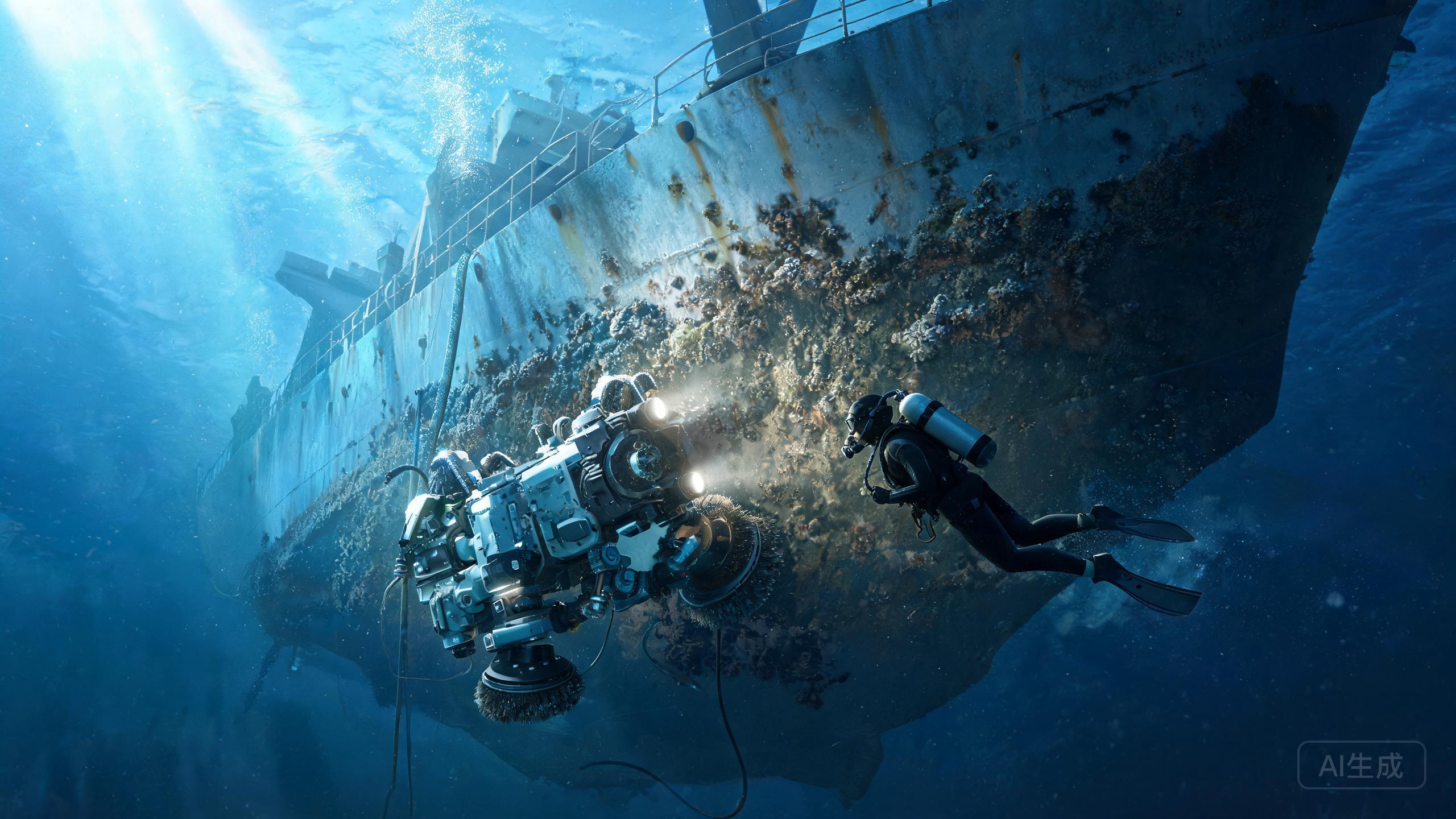
Hull fouling quietly drains fuel and speed from every vessel, which is why the underwater hull cleaning robot 2026 market is moving fast. In this ship hull cleaning drone review we put Nautica Technologies HYDRA (rated 8.3) against Greensea IQ EverClean (rated 7.5). One is a Swiss autonomous fleet coordinated by AI; the other is a hybrid clean-and-inspect unit with a 0.7 m swath and sonar-assisted navigation. We compare performance, features, value and fit, and finish with a clear verdict.
Performance and Operating Model
HYDRA is built around autonomy at scale. It runs as an autonomous fleet with AI-coordinated control and a continuous 24/7 operating model that needs minimal crew. For large operators, that means cleaning can happen on a schedule without pulling a dive team. EverClean takes a different route: cleaning and inspection happen in one pass, and sonar-assisted navigation keeps its trajectory stable across a 0.7 m swath while capturing ongoing condition records. Neither is a diver replacement in every scenario, so the ROV hull cleaner vs diver debate still matters: divers remain flexible, while both robots offer repeatable, data-friendly coverage.
Features That Matter for Fleet Operators
HYDRA's headline features are its autonomous fleet operation, AI-coordinated control and a continuous 24/7 model with minimal crew. That is a logistics play: fewer people, more uptime. EverClean counters with cleaning plus inspection in one unit, ongoing condition records, a 0.7 m swath and sonar-assisted navigation. If you need a magnetic hull crawling robot that sticks to the hull and works methodically, both fit the category, but EverClean's inspection data is the differentiator, while HYDRA's fleet coordination is its own. Note the trade-offs: HYDRA demands fleet-scale commitment and higher operational complexity, while EverClean likely uses a subscription model and offers softer cleaning power.
Value, Cost and Fuel Savings
Value depends on how you deploy. HYDRA's fleet model suits operators who can commit at scale and want automation across many hulls; its continuous operation is where hull cleaning fuel savings compound, since consistently clean hulls keep drag low. EverClean's value is in doing two jobs in one pass and building a condition record over time, which helps schedule cleaning before fouling gets severe. On biofouling cleaning robot cost, the data gives no prices, so judge by model: HYDRA implies a larger upfront and operational commitment, while EverClean's likely subscription spreads cost but may add up over years. Both aim at the same prize: lower fuel burn through cleaner hulls.
Who Each One Suits Best
Choose HYDRA if you run a fleet, want AI-coordinated autonomous operation, need round-the-clock cleaning with minimal crew and can absorb higher operational complexity. Choose EverClean if you value inspection as much as cleaning, want ongoing condition records, prefer a stable 0.7 m swath with sonar-assisted navigation and are comfortable with a likely subscription model and gentler cleaning. If your priority is pure, repeatable cleaning coverage at scale, HYDRA leads; if your priority is data-backed hull condition and combined clean-and-inspect passes, EverClean leads.
Our verdict
This is close, but the ratings tell a story: HYDRA (8.3) edges EverClean (7.5) for operators who can commit to a fleet. HYDRA wins on autonomy, AI coordination and continuous 24/7 operation with minimal crew, making it the stronger pick when scale and uptime drive hull cleaning fuel savings. EverClean is the better fit for those who want clean-and-inspect in one pass, ongoing records and a stable 0.7 m swath, accepting softer cleaning and a likely subscription. Verdict: choose HYDRA for fleet-scale autonomous cleaning; choose EverClean for data-rich, combined cleaning and inspection.