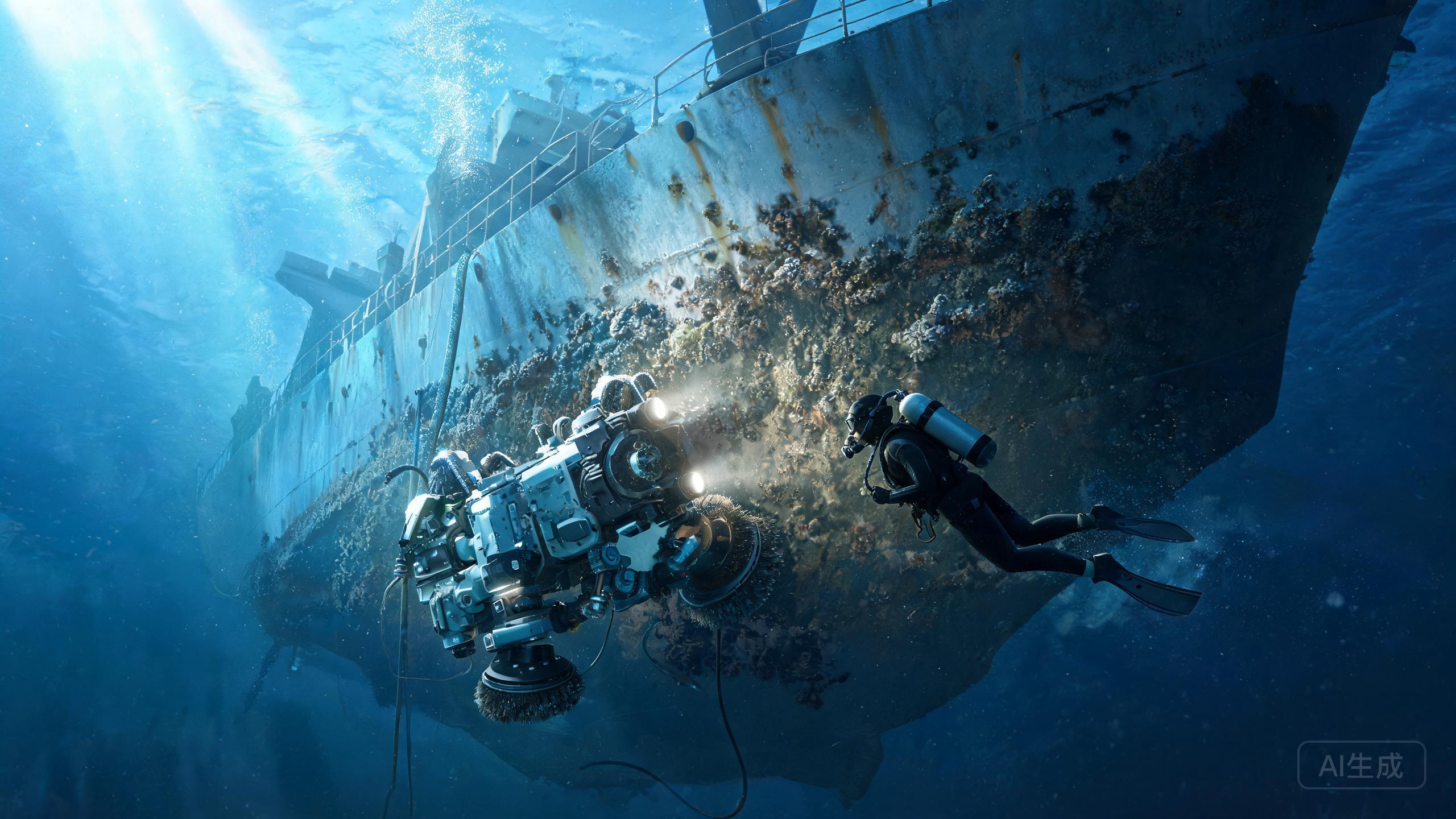
The Nautica Technologies HYDRA is not just another underwater hull cleaning robot; it's a fleet-scale autonomous system designed for shipping operators who want round-the-clock biofouling management. With an 8.3 rating from our experts, this Swiss-engineered solution promises minimal crew intervention and AI-driven coordination. In this Nautica HYDRA review, we break down its strengths, limitations, and how it fits into the 2026 landscape of hull cleaning technology.
What Makes HYDRA Stand Out in 2026?
HYDRA is built around the concept of an autonomous fleet. Unlike single-unit magnetic hull crawling robot designs, HYDRA operates as a coordinated group of cleaning units that communicate via AI. This allows for continuous 24/7 operation, a key advantage for large vessels with tight schedules. The Swiss origin adds a reputation for precision engineering, and the system is designed to run with minimal crew, reducing labor costs and human error. For operators exploring the underwater hull cleaning robot 2026 market, HYDRA represents a leap from manual or semi-autonomous tools to a fully autonomous logistics model.
Performance and Efficiency: Fuel Savings and Biofouling Control
Biofouling is a major drag factor for ships, increasing fuel consumption by up to 40% in severe cases. HYDRA's continuous cleaning model directly targets this issue, ensuring hulls remain smooth and efficient. While specific fuel savings data is not provided, industry studies consistently show that proactive hull cleaning yields significant hull cleaning fuel savings. By running autonomously, HYDRA can clean more frequently without dry-docking, which is particularly valuable for vessels on long routes. This positions HYDRA as a premium option in the biofouling cleaning robot cost spectrum, where the initial investment is offset by long-term operational savings and reduced downtime.
HYDRA vs. Traditional Methods: ROV Cleaner vs Diver
When comparing ROV hull cleaner vs diver, HYDRA offers clear advantages in safety and scalability. Divers are expensive, slow, and face inherent risks. Traditional ROVs often require a human pilot and tether management. HYDRA's AI-coordinated fleet eliminates the need for constant human supervision, allowing multiple units to work in concert. This makes it ideal for shipping companies that manage large fleets and need consistent cleaning schedules. However, this comes with a trade-off: HYDRA requires a fleet-scale commitment and higher operational complexity, which may be overkill for smaller operators with a single vessel.
Pros, Cons, and Ideal Use Cases
The HYDRA's pros include autonomous fleet operation, AI-coordinated control, a continuous 24/7 model, and minimal crew requirements. On the downside, it demands a fleet-scale commitment and introduces higher operational complexity. This makes HYDRA best suited for large shipping companies, port authorities, or offshore service providers that can leverage a multi-unit system. For those looking at a ship hull cleaning drone review, HYDRA is a standout for its innovation, but it's not a plug-and-play solution for occasional cleaning needs. If you're evaluating magnetic hull crawling robot options, HYDRA's fleet approach is unique but requires significant infrastructure.
Our verdict
The Nautica HYDRA is a visionary product for the future of hull cleaning, offering autonomous, AI-coordinated fleet operation that can transform how large shipping operators manage biofouling. Its continuous 24/7 model and minimal crew needs are compelling, but the high entry barrier and complexity mean it's not for everyone. If you're ready to invest in a fleet-scale solution and prioritize long-term fuel savings and operational efficiency, HYDRA is a top contender in the underwater hull cleaning robot 2026 category. For smaller operations, traditional ROVs or divers may still be more practical.