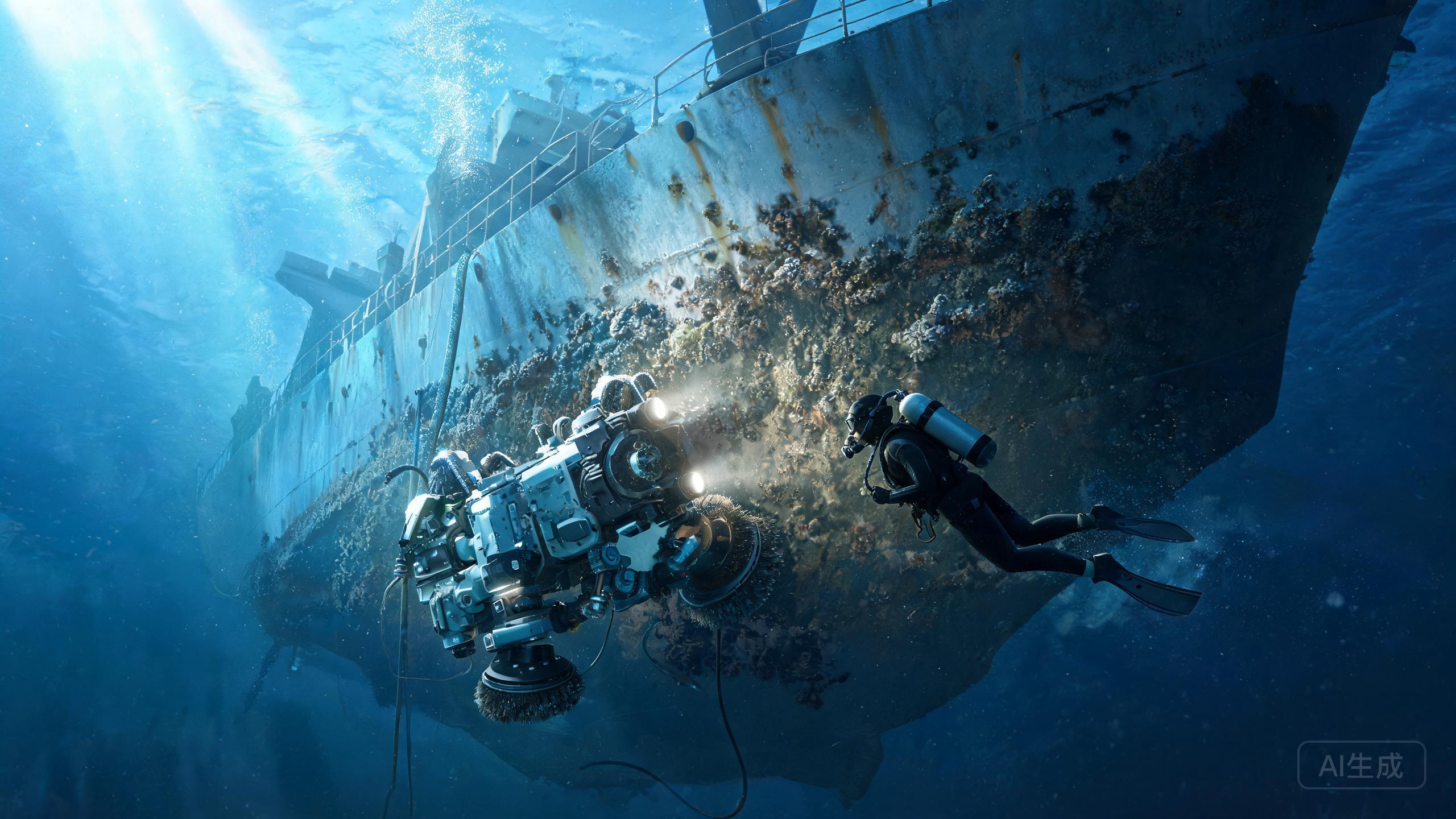
Most guides tell you why the HullWiper ROV is a solid diver-free platform. This article does the opposite: it lists the costly mistakes buyers make before signing a contract. HullWiper earned an 8.8 rating and pioneered debris-capturing, high-pressure cleaning, but that does not mean it fits every fleet. If you are comparing an underwater hull cleaning robot 2026 purchase, these seven traps can turn a smart investment into a stranded asset.
Mistake 1: Assuming 40 m Depth Fits Every Vessel
The HullWiper ROV is rated to a maximum depth of 40 m. Buyers who operate larger vessels or work in deeper berths sometimes assume the magnetic hull crawling robot can simply go deeper with a longer tether. It cannot. Check your actual hull draft and berth depth before purchase, not after. A unit that only reaches 40 m is excellent for many port calls but useless for deeper assignments, and that mismatch is one of the fastest ways to waste capital on a ship hull cleaning drone review that sounded better than your route profile.
Mistake 2: Treating It as a Replacement for All Diving Operations
The diver-free ROV operation is a genuine advantage, but it is not a universal substitute. The platform is best suited to port operations, and its dated platform means some niche tasks still favor divers. Buyers who cancel every dive contract on day one often find themselves re-hiring divers for jobs outside the ROV's envelope. The smarter approach is to model ROV hull cleaner vs diver coverage side by side, then keep a diver option for the gaps. Assuming total replacement is a budgeting mistake, not a technology one.
Mistake 3: Ignoring the Real Biofouling Cleaning Robot Cost
A common error is comparing only the sticker price of the ROV against a single dive quote. The biofouling cleaning robot cost includes mobilization, port fees, operator time, maintenance of a dated platform, and the frequency your hull actually needs cleaning. Because HullWiper captures and filters removed debris, it can reduce environmental compliance costs, but that saving only materializes if you use it regularly. Buyers who purchase for one annual cleaning often never reach the payback point. Run a multi-year cost model before committing.
Mistake 4: Overlooking Hull Cleaning Fuel Savings
Some buyers treat hull cleaning as a compliance checkbox and never quantify hull cleaning fuel savings. A fouled hull increases drag, and drag burns fuel on every voyage. The HullWiper ROV removes fouling with a high-pressure water jet while capturing the debris, which helps you clean more often without environmental penalties. The mistake is buying the robot but keeping the old cleaning schedule. If you do not shorten the interval, the fuel savings stay theoretical. Match the purchase to a tighter, data-driven cleaning cadence.
Our verdict
HullWiper ROV remains a benchmark diver-free platform with an 8.8 rating, high-pressure cleaning, 40 m depth, and captured debris. But the buying mistakes above are not about the machine; they are about fit. Verify depth against your routes, keep divers for edge cases, model the full biofouling cleaning robot cost, and tie the purchase to a fuel-saving cleaning schedule. Avoid these traps and the underwater hull cleaning robot 2026 decision becomes far more defensible.