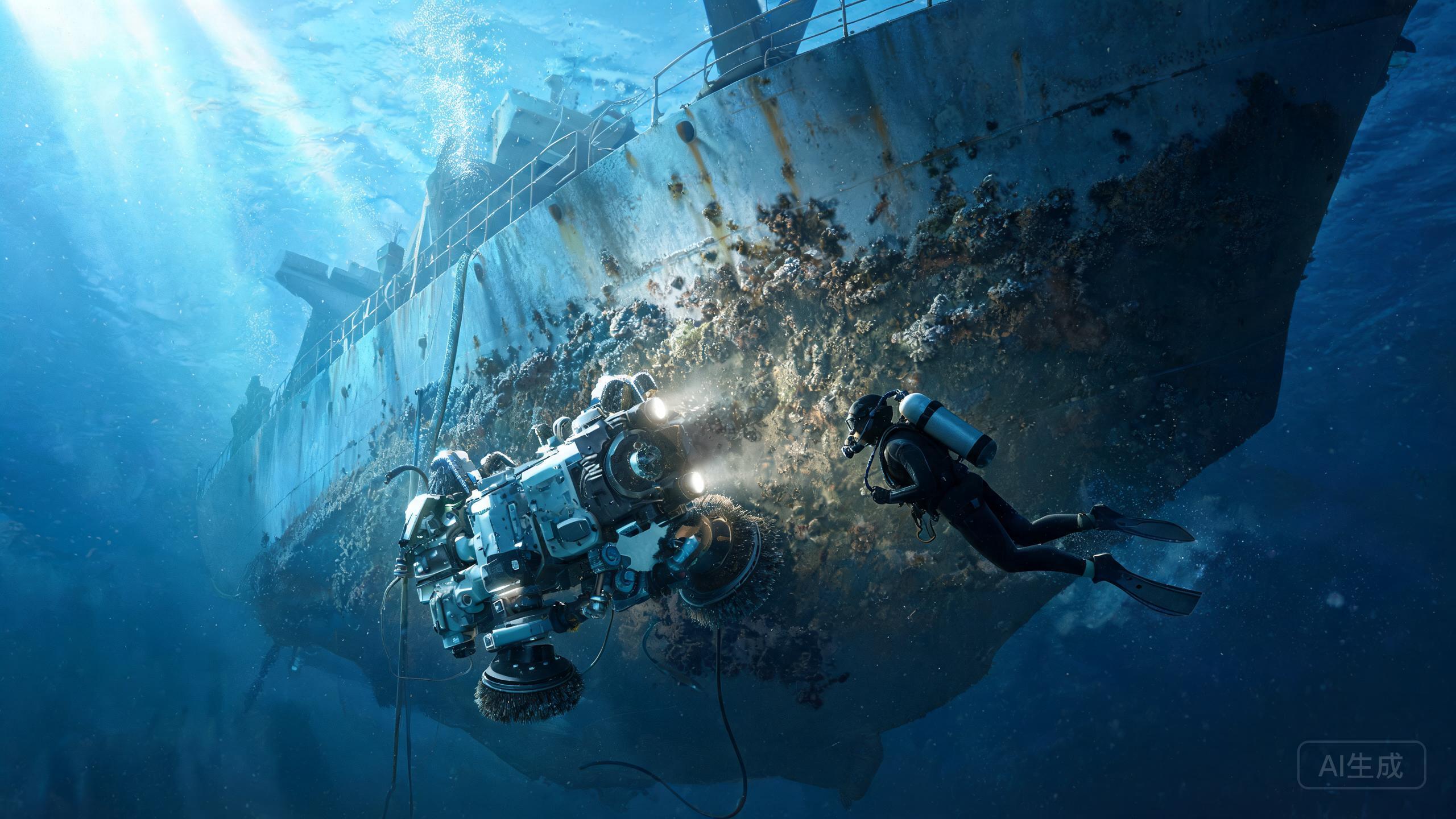
The ECOsubsea Panther 10x is a Norwegian-built magnetic hull crawling robot that has already logged duty on a fully laden Capesize bulk carrier. This guide walks fleet operators and technical superintendents through a practical deployment sequence, from pre-dive planning to post-cleaning documentation. It is written as a setup and installation walkthrough rather than a performance review, so you can use it as a working checklist when preparing your first Panther 10x operation.
Step 1: Pre-Deployment Planning and Site Assessment
Before the robot touches the water, confirm the vessel profile and berth conditions. Because the Panther 10x is suited to large vessels and has been validated on a laden Capesize bulker, plan your first deployment around a comparable hull. Map the hull zones to be cleaned, note the high-pressure cleaning method and residue-collection requirement, and align the schedule with port environmental rules. As tightening regulations shape the underwater hull cleaning robot 2026 landscape, budget time for debris capture rather than treating it as an afterthought. If you are weighing options, remember that an ROV hull cleaner vs diver comparison increasingly favors robotic systems for repeatable, documented work on big hulls.
Step 2: Equipment Checks and Launch Preparation
Run a full pre-dive inspection of the magnetic hull crawling robot: confirm the high-pressure cleaning circuit, verify the residue-collection path is clear, and check all seals and connections. Because public specifications for the Panther 10x are limited, follow ECOsubsea's own commissioning documentation for torque, pressure, and tether limits rather than improvising. Stage the launch team, define communication protocols, and confirm the vessel is secured for underwater work. Treat this stage as the installation baseline: any deviation from the manufacturer's checklist should be logged before launch so the operation remains auditable.
Step 3: Launch, Adhesion, and Cleaning Passes
Lower the unit, establish adhesion on the hull, and begin the first cleaning pass along your mapped zones. Keep the high-pressure system within manufacturer limits and monitor residue collection continuously. On a large hull, work in defined bands so each pass is repeatable and easy to document. This is where the payoff shows up: consistent biofouling removal supports hull cleaning fuel savings over time, and a disciplined pass pattern makes those gains measurable. Operators comparing this unit against alternatives often cite the ROV hull cleaner vs diver trade-off, and the Panther 10x's proven Capesize duty is the strongest argument for robotic deployment at scale.
Step 4: Residue Handling and Post-Cleaning Documentation
After the final pass, recover the unit and process the collected debris according to local port requirements. The Panther 10x's residue-collection focus is a key compliance feature, so document volumes and disposal routes carefully. Record pass coverage, any anomalies, and cleaning duration; this data feeds future planning and supports cost analysis. If you are building a business case, pair these records with biofouling cleaning robot cost figures and expected hull cleaning fuel savings to justify repeat deployments. Close out with a short report so the next operation starts from a documented baseline.
Our verdict
Setting up the ECOsubsea Panther 10x is less about complex installation and more about disciplined process: plan for large hulls, follow manufacturer checks, clean in repeatable bands, and document residue and coverage. Given its validated duty on a laden Capesize bulker, the Panther 10x rewards operators who treat deployment as a repeatable routine. Approach it as a documented workflow and you will get consistent results that support both compliance and fuel savings.